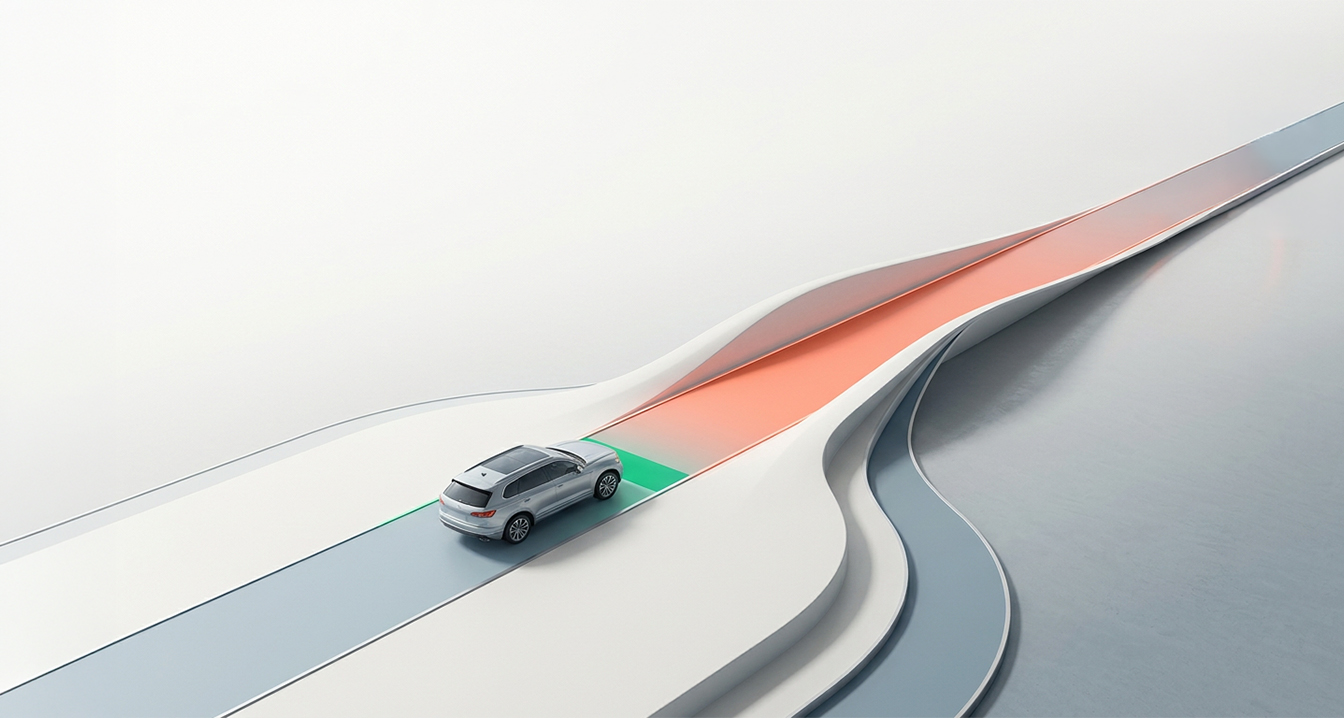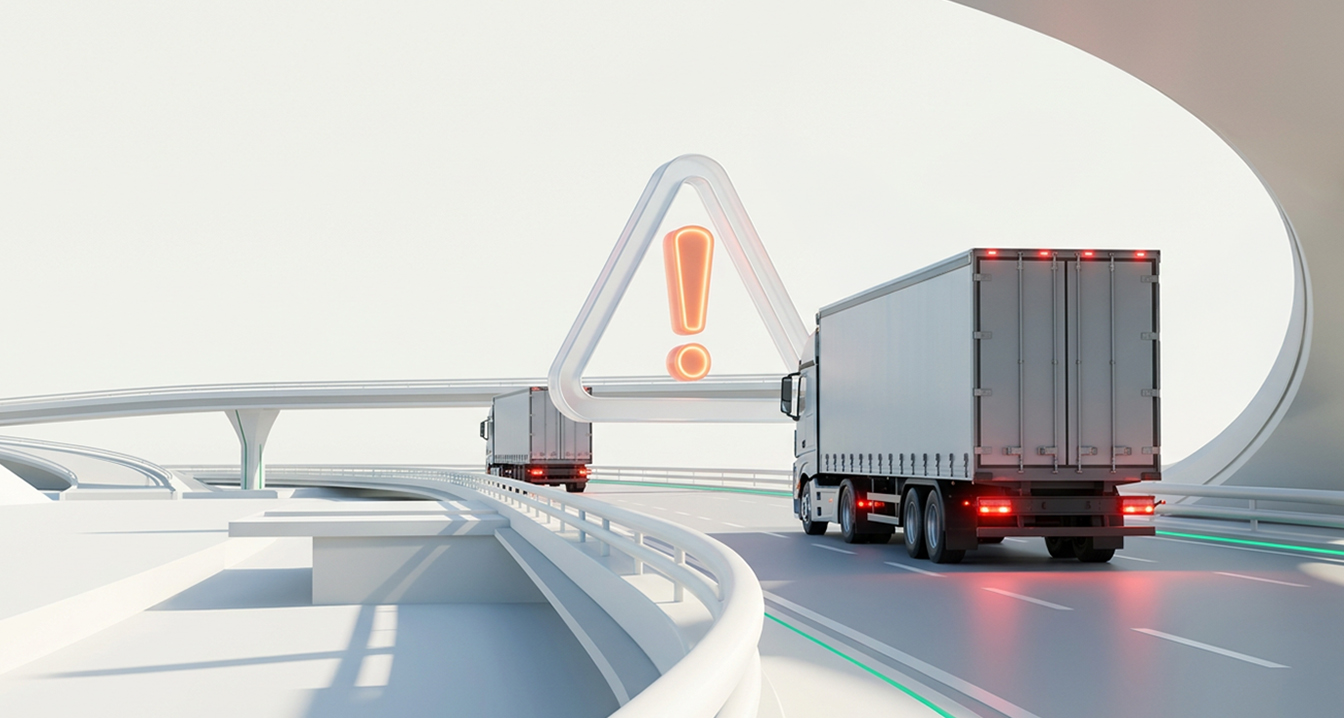
As a driver, should you signal before slowing down? What are the benefits? And how does it affect your vehicle's tire life and your safety on the road? You can find detailed answers to these questions in the following guide.
"Signaling before you slow down is more than just a flash of light; it’s a safety message that arrives before your heart skips a beat on the road."
What is meant by a deceleration signal?
A deceleration signal is the action a driver takes to inform other drivers, especially those directly behind, of the intent to slow down or stop, whether by using turn signals, brake lights, or even hand signals.
The Saudi Traffic Law emphasizes the necessity of signaling your intent to slow down well in advance, a clear legal requirement that carries penalties for those who fail to comply.
Situations where you must slow down your vehicle
There are specific situations where you must slow down your vehicle, most notably:
1. Traffic congestion, where the distance between vehicles is limited and reaction time is shorter.
2. Poor weather conditions such as rain, dust, and fog, or driving at night, as these reduce visibility and vehicle control.
3. School zones, areas where children are present, residential neighborhoods, and parks.
4. Blind intersections, and when you cannot clearly see both directions of the road.
5. Low-speed zones on highways that include traffic signs requiring lower speeds, whether permanent or temporary.
6. Commercial and residential areas, even if there are no posted speed limit signs.
7. The presence of animals on the road, such as in areas near farms.
Why is it important to signal before slowing down?
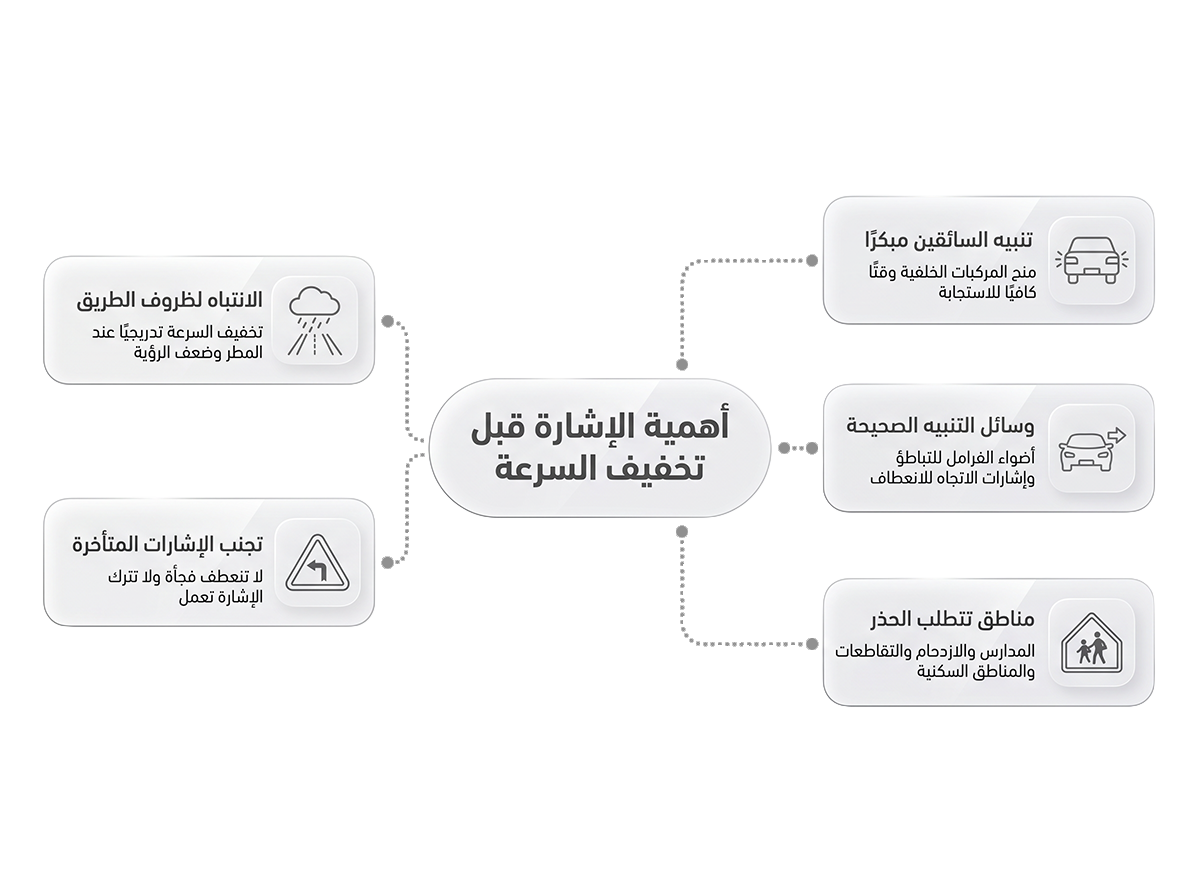
Signaling before slowing down helps you brake gradually, reducing friction between the tires and the road and preventing the heat buildup caused by sudden braking. This also helps protect tires from excessive and uneven wear, maintains vehicle balance, and extends the lifespan of your tires.
Signaling at least 30 meters before slowing down is a preventive measure to avoid rear-end collisions. It gives the driver behind you enough time to react and avoid accidents, whether they are speeding or distracted, thereby effectively contributing to enhanced traffic safety and the prevention of sudden accidents.
Furthermore, it is a commitment to the strict regulations imposed by the Saudi Traffic Law, helping you avoid fines and maintain a clean driving record.
By signaling before you slow down, you contribute to improving traffic flow and organization, as you allow other drivers to adapt to speed changes and prevent sudden stops. This behavior also reduces traffic congestion in major cities, making roads safer and smoother for everyone.
The impact of signaling before slowing down on your car's tires
Saudi Arabia is characterized by a hot desert climate, with summer temperatures exceeding 50°C (122°F) in some regions. This climate significantly impacts tires, making them more susceptible to damage, especially when subjected to frequent, sudden braking.
When you signal to others that you are slowing down, you reduce the intensity of your braking and allow your vehicle's tires to cool gradually. Sudden braking, however, causes a rapid spike in tire temperature, which softens the rubber, can cause internal layers to separate, and increases internal air pressure—all of which may lead to a blowout.
Furthermore, experts emphasize that as tire tread wears down, the braking distance required increases. By making it a habit to signal before slowing down, you reduce your reliance on hard braking, thereby preserving your tire tread for longer.
Regarding costs, tires are often among the most expensive vehicle parts, especially high-quality ones. By signaling before you slow down and avoiding sudden braking, you can extend the life of your tires by 20-30%, reduce the frequency of purchasing new tires, and save yourself the maintenance costs associated with uneven tire wear.
"Your tires cannot withstand the shock of sudden braking in temperatures exceeding 50°C; therefore, signaling early helps you extend the life of your tires and maintain their quality."
The impact of signaling before slowing down on fuel consumption
This practice also contributes to a noticeable reduction in fuel consumption. When you signal early, you give yourself enough time to slow down gradually instead of braking suddenly and then having to accelerate again.
This driving style is known as "smooth driving," which relies on anticipating traffic flow and maintaining a safe distance from the vehicles ahead. This approach helps reduce fuel consumption, limits mechanical stress on the engine and braking system, and provides sufficient time to react properly to unexpected traffic situations.
The impact of signaling before slowing down on suspension and brake systems
Frequent, sudden braking always causes thermal and mechanical stress on brake rotors and leads to rapid wear of brake pads. Furthermore, slowing down gradually reduces the pressure on the shock absorbers, which wear out faster when subjected to the repeated shocks of hard braking. Therefore, this practice helps you extend the life of several vehicle systems at once and saves you significant maintenance costs in the long run.
The necessity of signaling before slowing down in the rain
Rainfall is common in various regions of Saudi Arabia, making roads slippery and significantly reducing tire grip. When you alert drivers behind you of your intention to slow down, you avoid sudden braking that could lead to your vehicle skidding and losing steering control—a highly dangerous situation that occurs when a tire loses complete contact with the road surface.
The importance of the slowing-down signal during night driving
The importance of signaling before slowing down is doubled during night driving, as a driver's ability to judge distances and speeds decreases, and vehicle lights become the primary means of communication.
When you brake suddenly at night without warning, the driver behind you may not notice until the last second, especially if they are distracted or tired. However, if you signal before slowing down, the flashing light grabs their attention and ensures traffic safety on dark roads outside of cities.
Ways to signal before slowing down
If you need to slow your vehicle, you should notify other drivers of your intention before hitting the brakes. Here are the most effective ways to signal that you are slowing down:
1. Use your brake lights by pressing the pedal gradually to illuminate the rear lights.
2. Use your turn signals if you are pulling over to the side of the road or making a turn to alert nearby drivers.
3. Use hand signals if your lights are malfunctioning by extending your left arm with your palm facing down and moving it slowly up and down.
4. In some situations, you may need to communicate with other drivers through your car window to clarify your intentions.
5. You can flash your headlights in fog or at night to alert those in front of you that you are slowing down or approaching.
6. Do not stop suddenly; instead, monitor the road and plan to slow down in advance to give those behind you enough time to react.
7. Maintain a safety distance of at least two car lengths in front of you so you can slow down without having to stop abruptly.
8. Monitor traffic behind you to help you slow down gradually.
Road speed management techniques
Specialized authorities have adopted smart engineering and regulatory solutions to manage road speeds and compel drivers to slow down naturally, including:
1. Speed bumps, which are often placed in residential areas, near schools and parks, and on side streets where pedestrians are likely to be present.
2. Speed limit signs, such as road narrowing markers, maximum speed limits, and congestion zone signs, which direct drivers to slow down.
3. Roundabouts designed to force drivers to reduce their speed.
4. Narrowing the road to encourage drivers to slow down.
5. Setting speed limits for each road based on its quality, type, surrounding conditions, and infrastructure.
Common mistakes when signaling before slowing down
Signaling before slowing down is an art that requires precise timing and correct practice. Many drivers believe they are signaling properly, but in reality, they make mistakes that render the signal ineffective and leave the danger present. Here are the most common mistakes:
1. Signaling after you have already started slowing down or braking. Ideally, you should signal before you begin braking to alert the driver behind you that you are about to slow down, rather than after they have already noticed you slowing down too late.
2. Signaling at the last second before turning or while entering the turn lane. This does not give drivers behind you enough time to react, so you should signal at least 3 to 4 seconds before making any move.
3. Relying solely on brake lights without using your turn signal. Brake lights do not tell anyone which direction you intend to turn.
4. Failing to turn off your signal after completing a turn or changing lanes. This confuses other drivers, leads them to expect a move that won't happen, and can cause unnecessary accidents.
5. Signaling without checking your surroundings, looking in your mirrors, or ensuring the lane is clear. In reality, a signal alone does not give you the right of way, nor does it obligate others to make room for you.
6. Late signaling in low-visibility conditions such as at night, in fog, or in rain. This is even more dangerous because the driver behind you may not see your brake lights clearly.
7. Using signals in a misleading way, such as signaling left but turning right, or signaling without any real intention to move. This causes other drivers to lose trust in signals altogether.
8. Not using your signal under the pretext that the road is quiet or empty. This is a serious mistake because signals are not just for other cars, but also for pedestrians and cyclists who may be present without you noticing them.
9. If your turn signals fail, the solution is to use hand signals. However, you must ensure the signal is clear and understandable to others; the standard, recognized signal is to extend your arm with your palm facing down and move it slowly up and down.
10. Sudden swerving Signaling and then immediately changing lanes sharply. This gives other drivers no time to react. The correct approach is to signal, wait a few seconds, and then move smoothly.
"A proper signal is a message a skilled driver sends before turning the wheel; it either arrives on time, or it turns into chaos."
In conclusion, a proper signal is one given early, supported by a gradual reduction in speed, and canceled immediately after the maneuver is complete. Any error in timing or technique turns a safety tool into a source of confusion.
Remember that signaling before slowing down is a courtesy you owe to others. Adhering to this helps reduce traffic accident rates, reflects traffic awareness and mutual respect among drivers, protects lives and property, reduces stress and aggressive driving, and helps make roads safer and smoother for everyone.
Remember that signaling before slowing down is a courtesy to others, a safety measure for you, and helps protect your tires.