What is a Tire Pressure Monitoring System? Before answering that question, let us ask you: How many times, while heading to the highway, do you ignore that small yellow indicator on your dashboard that looks like an inflated tire with an exclamation mark in the middle?
A Tire Pressure Monitoring System (TPMS) is a smart technology designed to monitor the air pressure inside each tire individually and issue an immediate alert to the driver if any significant drop occurs.
This system aims to significantly enhance driving safety, especially since maintaining air pressure at the optimal level specified by your car's manufacturer is crucial for ensuring vehicle stability, braking efficiency, and avoiding risks that may arise from underinflated tires.
You can find more details about the Tire Pressure Monitoring System in your comprehensive guide below, which explains its types, how it works, and essential maintenance tips.
What is a Tire Pressure Monitoring System?
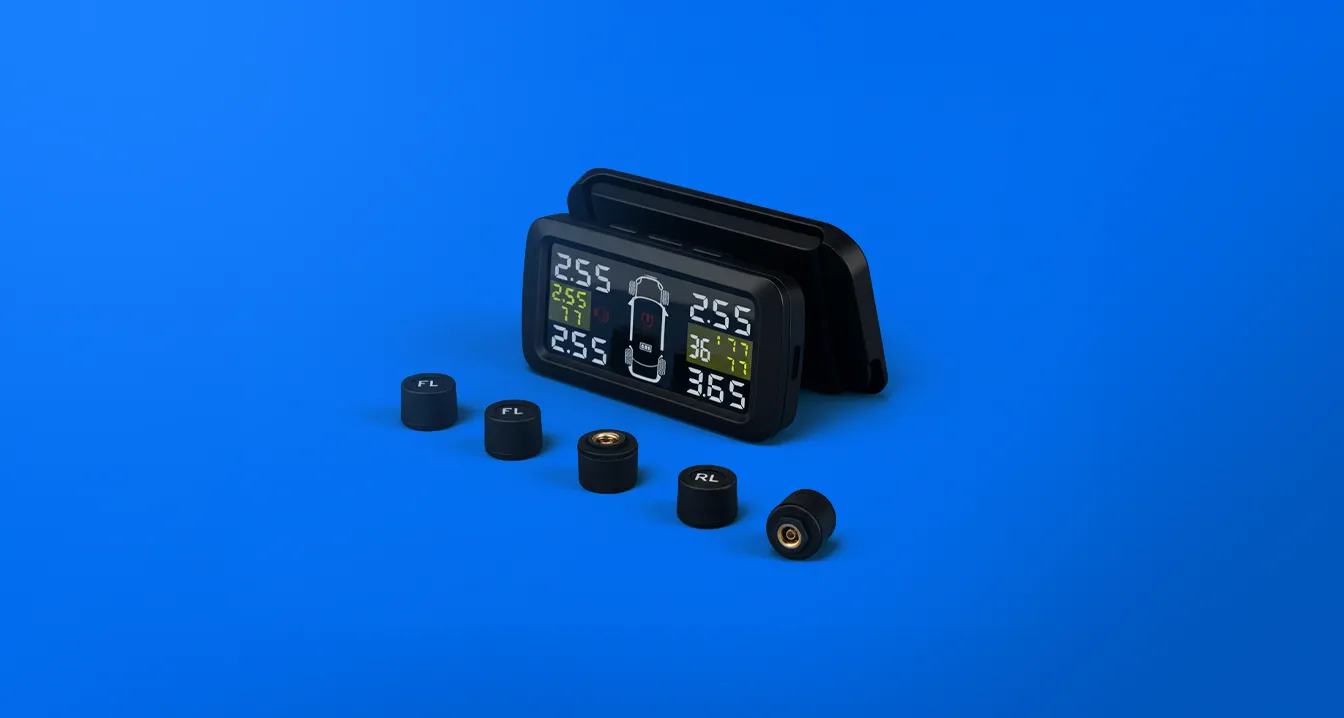
The Tire Pressure Monitoring System monitors the air pressure in each tire individually, relying on smart electronic sensors installed inside each wheel that accurately measure air pressure and wirelessly transmit data to the car's central computer.
When the system detects a pressure drop below the optimal level specified by the manufacturer, it immediately alerts the driver by illuminating a clear warning symbol on the dashboard.
This system acts as a vigilant guardian, constantly monitoring your tire pressure and alerting you before a minor drop turns into a major hazard threatening your safety on the road.
Tire Pressure Monitoring System: Direct vs. Indirect
Direct Tire Pressure Monitoring System
It is characterized by high accuracy, as it uses battery-powered sensors installed in each wheel to measure tire pressure and temperature and wirelessly transmit data to the control unit.
This allows for the detection of pressure drops in multiple tires simultaneously, but it requires recalibration or resetting when tires are changed, and sensors need to be replaced after approximately 5 to 10 years due to battery life expiration.
Additionally, extra sensors must be installed or existing ones modified when switching between summer and winter tires, while paying attention to several important factors to avoid any damage or malfunctions during tire installation.
Indirect Tire Pressure Monitoring System
This system monitors air pressure using the Anti-lock Braking System (ABS) sensors. When the air pressure in a tire drops, its outer circumference decreases, causing it to rotate more times compared to other tires with correct pressure. In this scenario, the ABS system detects this change and issues a warning.
These systems are less accurate than direct systems, as they require a 30% pressure drop before issuing a warning. However, they are relatively inexpensive because they rely on components already present in the car, and all that's needed is a simple modification to the ABS system's software and the addition of an indicator on the dashboard.
Whether your system is direct or indirect, both work towards a single goal: providing you with the necessary information to maintain your tires' safety and improve your driving efficiency.
What does a Tire Pressure Monitoring System consist of?

The Tire Pressure Monitoring System (TPMS) consists of several key components that work together to monitor tire pressure and alert the driver if there's an issue, as follows:
- Pressure Sensors
These are the core components of the Tire Pressure Monitoring System (TPMS), installed inside each tire. They continuously measure air pressure and transmit data to the central control unit.
- Central Control Unit
This unit acts as the brain of the Tire Pressure Monitoring System (TPMS). It receives and analyzes data from the pressure sensors in each tire, and if it detects any pressure drop, it immediately alerts the driver through visual or audible notifications.
- Display System
This system displays the tire pressure status on the dashboard or the vehicle's information screen, using symbols or messages to indicate the air pressure in each individual tire.
- Tire Inflation Tools
When tire pressure drops, the driver needs to inflate them. The system may include an indicator or alert that identifies which specific tire requires inflation.
- Tire Pressure Valves
In direct systems, the tire valve incorporates a sensor that allows the tire to be filled with air and seals tightly to maintain the required pressure.
- Alert System
This system alerts the driver to an abnormal drop in tire pressure. These alerts can appear as visual symbols on the dashboard, text messages on the information screen, or even audible warning signals.
- Direct Sensing System
This system features a sensor in each tire that sends data directly to the control unit.
- Indirect Sensing System
This system relies on measuring tire rotation speed to infer air pressure.
The components of the Tire Pressure Monitoring System integrate to provide a comprehensive control panel, transforming complex tire information into simple, clear, and unmistakable alerts.
Why Do You Need a Tire Pressure Monitoring System (TPMS)?
The Tire Pressure Monitoring System (TPMS) is essential for enhancing safety and performance while driving. Here are its key benefits:
- Enhancing Road Safety
Maintaining optimal tire pressure is a key factor in reducing accidents. A TPMS helps mitigate the risks of tire blowouts or loss of vehicle control, thereby ensuring a safer driving experience.
- Extending Tire Lifespan
Improper tire pressure causes uneven wear, which shortens their lifespan. A TPMS ensures correct pressure is maintained, thereby reducing tire wear and extending their life.
- Improving Fuel Efficiency
When tire pressure is low, rolling resistance increases, leading to increased fuel consumption. By continuously monitoring tire pressure, the system helps improve fuel efficiency and save money.
- Enhancing Driving Performance
Proper tire pressure affects a vehicle's responsiveness, stability, and balance, which in turn improves vehicle control and provides a smooth, safe driving experience.
- Reducing Carbon Emissions
By improving fuel efficiency, TPMS contributes to reducing CO2 emissions, making it environmentally friendly.
- Saving Time and Effort
This system eliminates the need for frequent manual tire pressure checks, as it automatically monitors and alerts you to any issues, saving you time and effort.
Investing in a TPMS is an investment in your peace of mind and safety. It frees you from worrying about your tires and ensures a safer, more economical drive.
Steps for Setting Up a Tire Pressure Monitoring System
Below, we outline the simplified steps for setting up a Tire Pressure Monitoring System (TPMS):
- Adjust the air pressure in all tires to the manufacturer's recommended level.
- Ensure the tires are cold before measuring and inflating, meaning the car has not been used for at least 3 hours.
- Start the engine and ensure the car is stationary and not moving.
- Press the TPMS button for more than 3 seconds (it's usually on the left side of the driver's seat).
- Ensure the warning light flashes for 4 seconds. If it doesn't, repeat the process starting from step two.
Situations where the system should be reset
The tire pressure monitoring system must be reset to ensure it functions correctly in the following situations:
- When repairing or replacing any tire or wheel.
- When rotating tires.
- When adjusting tire pressure.
- When the low-pressure warning light illuminates.
- When replacing the Electronic Stability Control (ESC) system or suspension components.
Experts also warn against resetting the system without first adjusting tire pressure, as this could lead to false alarms or the system failing to operate when needed.
Furthermore, you cannot adjust the system if you try to press the reset button while driving; the car must be completely stationary.
When the TPMS light illuminates: What steps should you take?
When the tire pressure monitoring system (TPMS) warning light illuminates, you should exercise caution; this indicates that the air pressure in at least one tire has dropped by 25% or more below the recommended level. In this situation, follow these steps:
- Find a safe place to pull out of traffic. If you are driving at high speed, grip the steering wheel firmly with both hands, slowly reducing your speed until you stop. This step is crucial to avoid losing control in case of a tire blowout
- First, ensure there is no blowout, then use a tire pressure gauge to check the pressure of each tire individually. It is preferable for the tire to be cold to get an accurate reading.
- Compare the readings with the manufacturer's recommended pressure, which can be found on the sticker inside the driver's door.
- Fill the tires to the correct pressure at the nearest gas station or service center.
- After filling the tires, the TPMS light should turn off automatically within a few minutes.
- If the light remains on after following these steps, there might be tire damage or an issue with the TPMS system itself. In this case, head to a specialized tire service center.
Did you know that this signal acts as an early warning and an urgent message from your car, indicating that your tires are in danger?!
If the TPMS light flashes and then turns off, this indicates a problem with the system's computer. In this case, the tire pressure monitoring system should be inspected by a specialized and certified repair technician. However, if the light remains steadily illuminated, it means that one of the tires has low pressure.
Common TPMS Malfunctions
The Tire Pressure Monitoring System (TPMS) sometimes experiences malfunctions that affect its performance. This could be due to a damaged sensor that cannot detect low pressure or provides inaccurate readings.
In systems that use internal batteries, the end of a sensor's battery life can cause it to stop working. Similarly, damage to tire valves containing sensors can lead to air leaks and disrupt readings.
Malfunctions can also arise from damaged wiring or communication issues between the sensors and the central control unit. If this unit experiences a software glitch or failure, it can disable the system or provide inaccurate warnings.
Furthermore, system signals can be affected by electronic interference or radio signals from external sources, leading to incorrect readings.
Pressure reading errors can also occur due to component damage or adverse weather conditions. Additionally, improper tire pressure, whether excessively high or low, can affect the system's operation and its ability to issue accurate warnings.
Ultimately, the TPMS remains your primary safety companion on the road. However, its effectiveness largely depends on the quality of the tires themselves, so make sure to purchase high-quality tires, to ensure a safe and reliable drive.