Imagine you're driving your car or truck at high speed and suddenly the steering wheel starts to vibrate. You might think the problem is with the road or the suspension system, but in reality, the cause could be very simple: unbalanced tires.
Despite the simplicity of the concept, neglecting tire balancing can cost you a lot, from rapid tire wear to higher fuel consumption, and even safety risks.
In this article, we'll explain in simple, clear language what tire balancing is, when you need it, and why it's so important for you, your safety, and your wallet. We'll present the latest studies and statistics, and conclude by discussing how Darbk company makes this process a fundamental part of its quality standards.
What is Tire Balancing?
Tire balancing is the process of equalizing the weight of the wheel and tire to ensure they rotate smoothly while driving. This is done by attaching small weights (lead or metallic) to the rim to compensate for any imbalance in weight distribution.
Static Balancing:
Used when the imbalance is in one direction.
Dynamic Balancing:
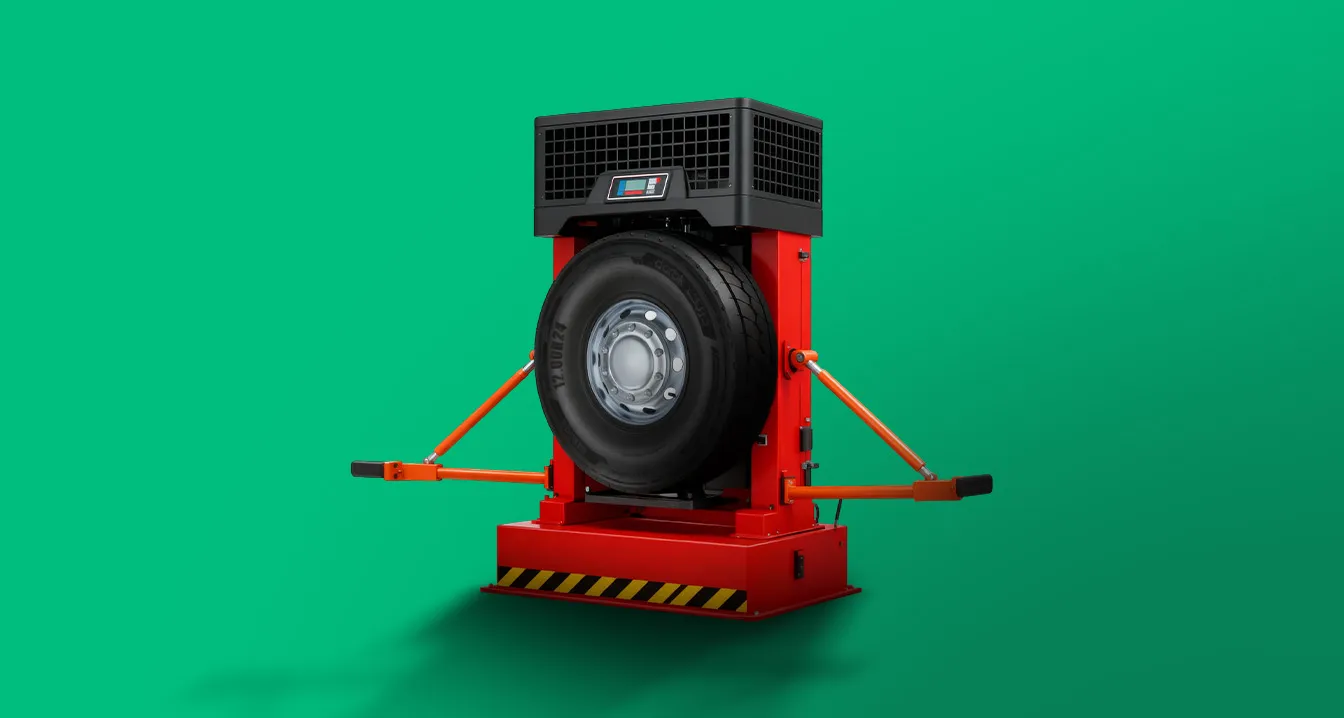
This is the most common method, where the tire is rotated on a special machine to detect all imbalances and precisely distribute weights.
It's important to differentiate between tire balancing and wheel alignment. The former focuses on weight distribution, while the latter deals with the parallelism of the tires and their angles relative to the road.
Why is Tire Balancing Important?
A driver might ask: What's the real benefit of tire balancing? Simply put, balancing isn't just an extra service offered by workshops; it's a fundamental element in maintaining driving comfort, tire longevity, and fuel economy. Below, we review the main reasons why balancing is a necessity for every vehicle:
- Comfort and Control:
When tires are not properly balanced, you'll feel a vibration in the steering wheel, especially at high speeds. This vibration not only causes discomfort but also affects your ability to control the vehicle.
- Extending Tire Life:
Studies indicate that unbalanced tires wear out up to 20% faster than properly balanced ones, meaning you might have to replace your tires prematurely.
- Fuel Savings:
According to a report published by the U.S. Environmental Protection Agency (EPA), well-balanced tires reduce rolling resistance, saving between 2–3% in fuel consumption.
- Protecting Suspension and Steering Systems:
Vibrations caused by imbalance put extra stress on the suspension and steering system, increasing the likelihood of costly breakdowns.
Wheel balancing is not a luxury, but a necessity that protects both your money and your safety.
When should tires be balanced?
Some might think that balancing is only done when new tires are installed, but the truth is it's required in many situations. Knowing these situations can save you from many sudden breakdowns and provide a safer, more comfortable ride. Here are some instances when tires should be re-balanced:
- When installing new tires.
- If you feel a vibration in the steering wheel at 80 km/h or more.
- After driving over severe potholes or if the tire has sustained an impact.
- Every 10,000 – 15,000 km as a preventative measure.
- When repairing rims or replacing a tire.
According to a report published by ContactCars, 60% of drivers who neglected tire balancing experienced issues with uneven wear and had to replace their tires prematurely.
How is balancing done?
A driver might wonder: what actually happens when tires are balanced at the workshop? The balancing process isn't complicated, but it's very precise and relies on modern equipment that detects weight discrepancies and distributes it evenly. Here's a simplified explanation of the steps typically performed at service centers:
- The tire and rim are placed on a special machine.
- The machine spins at high speed to measure any weight imbalance.
- The spot requiring additional weight is identified.
- Small weights (usually between 5–50 grams) are added to the rim to correct the imbalance.
The Difference Between Static and Dynamic Balancing:
To fully understand balancing, it's important to know that there are two main types: static and dynamic. Each type has its specific function and is used depending on the nature of the imbalance in the tire or wheel.
- Static:
Addresses vertical vibrations.
- Dynamic:
It addresses both lateral and vertical vibrations, providing higher accuracy.
A Bridgestone study showed that dynamic balancing reduces vibration issues by 70% compared to static balancing.
How often should wheel balancing be performed?
Many drivers might wonder: Is wheel balancing a one-time procedure performed only when new tires are purchased? The truth is that balancing requires regular follow-up, just like any other maintenance task, because over time and with use, wheel balances change due to road conditions, bumps, and loads.
Therefore, it's important to know the ideal time for re-balancing, as neglecting it for long periods can lead to an increase in fuel consumption by up to 5%, in addition to shortening tire life. Experts recommend balancing tires in the following situations:
- At least once a year.
- Or every 10,000 – 15,000 km.
- After any significant impact or tire replacement.
Cost of Wheel Balancing:
Before heading to the workshop, a driver might wonder: How much will tire balancing cost me? The truth is that this service is not as expensive as some might think; rather, it's a small investment that saves you significant expenses in the future. Below is an overview of average prices based on vehicle type.
The cost of balancing varies depending on the vehicle type and tire size:
- Passenger Cars: 50 – 150 Saudi Riyals.
- SUVs: 150 – 250 Saudi Riyals.
- Large Trucks: May reach 400 Riyals or more due to specialized equipment.
According to Investopedia, the cost of balancing, regardless of the amount, remains significantly lower than the cost of replacing tires or repairing the suspension system.
Tips for Maintaining Tires After Balancing:

- Check tire pressure regularly.
- Rotate tires every 10,000 km.
- Inspect tires after every long trip or after driving on rough roads.
- Do not ignore any unusual vibration or noise.
Remember... prevention and regular maintenance are key to extending your tires' lifespan.
Darbk's role in ensuring perfect tire balancing:
At Darbk Company, we don't just manufacture high-quality tires; we ensure every driver has a balanced and safe driving experience. That's why we always recommend our customers get their tires balanced regularly, and we support this process by:
- Providing precisely engineered tires that reduce the frequent need for balancing.
- Partnering with certified service centers that offer tire balancing using the latest equipment.
- Offering educational tips to our customers about the signs indicating a need for tire balancing.
In conclusion...
Tire balancing isn't just a technical procedure performed by a workshop; it's an investment in your safety, comfort, and financial savings. It reduces vibrations, extends tire life, protects the suspension system, and saves on fuel consumption.
And with Darbk tires, you choose quality from the start, ensuring your journey is safer and smoother.
So, the next time you notice a vibration or when replacing your tires, don't hesitate... take the initiative to balance them, and trust that Darbk is always with you on the road.