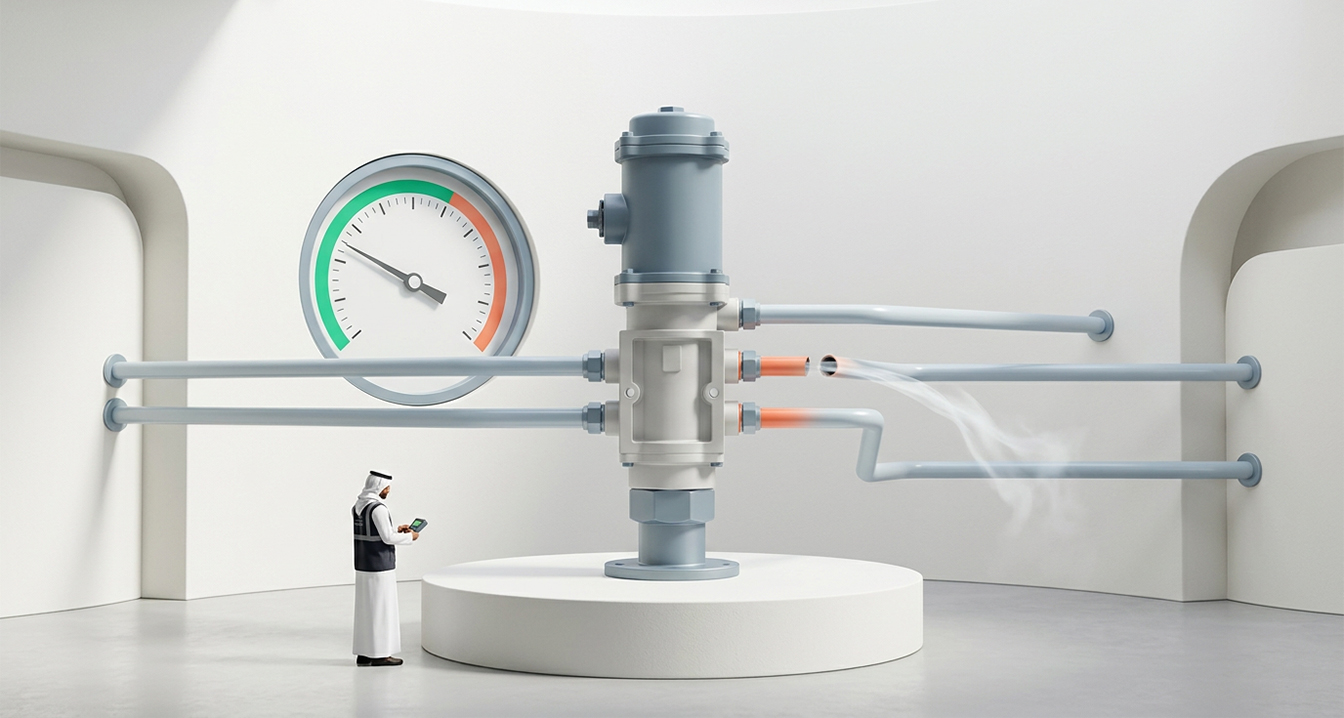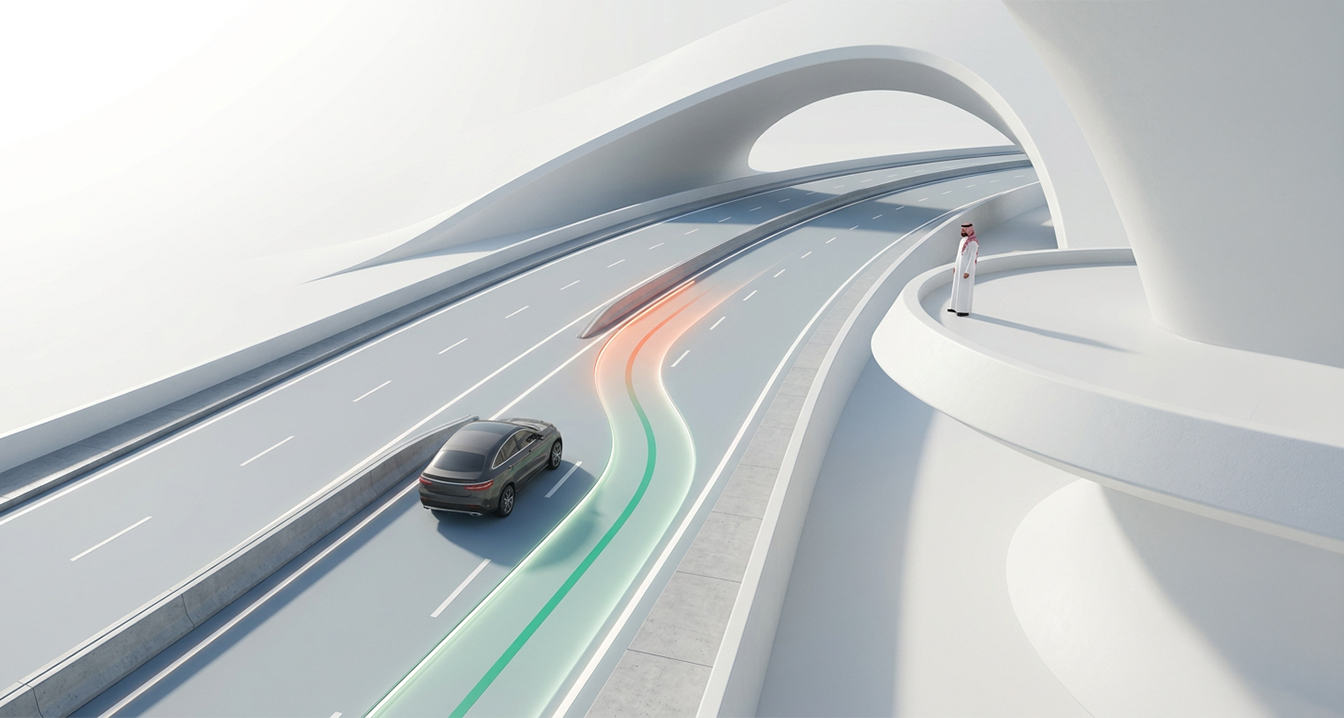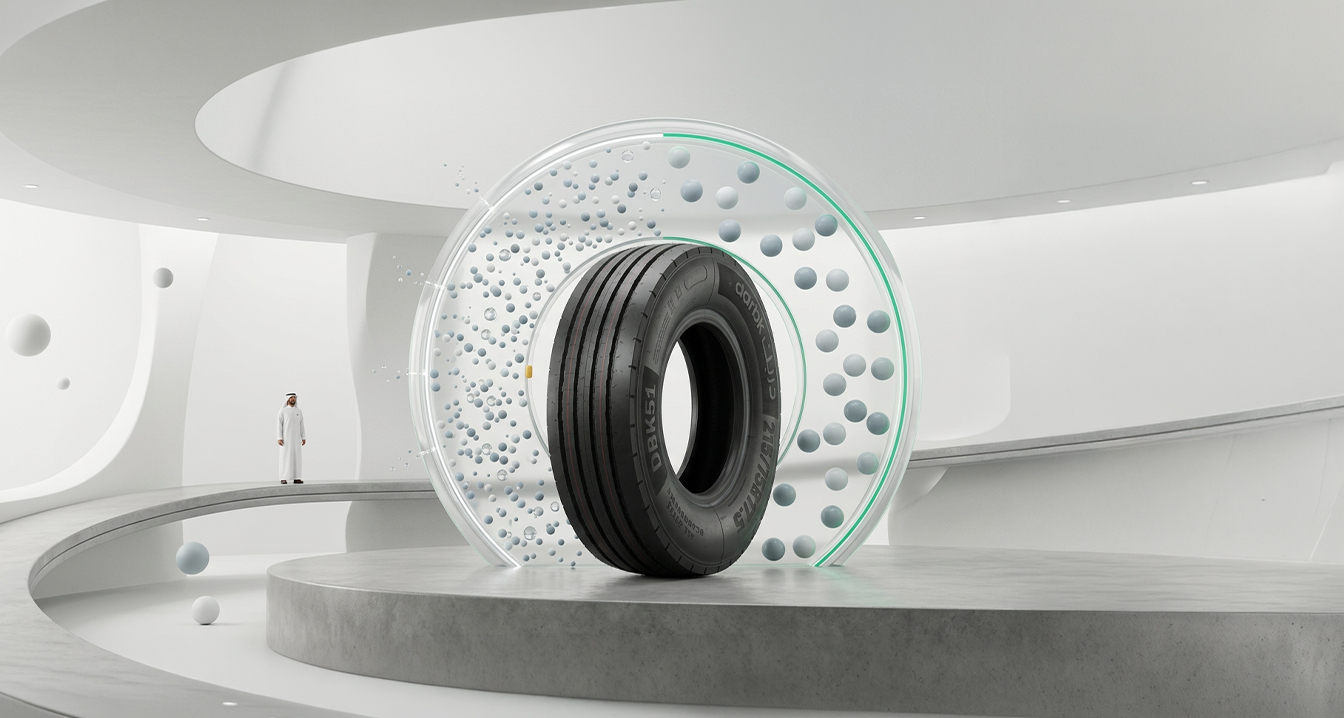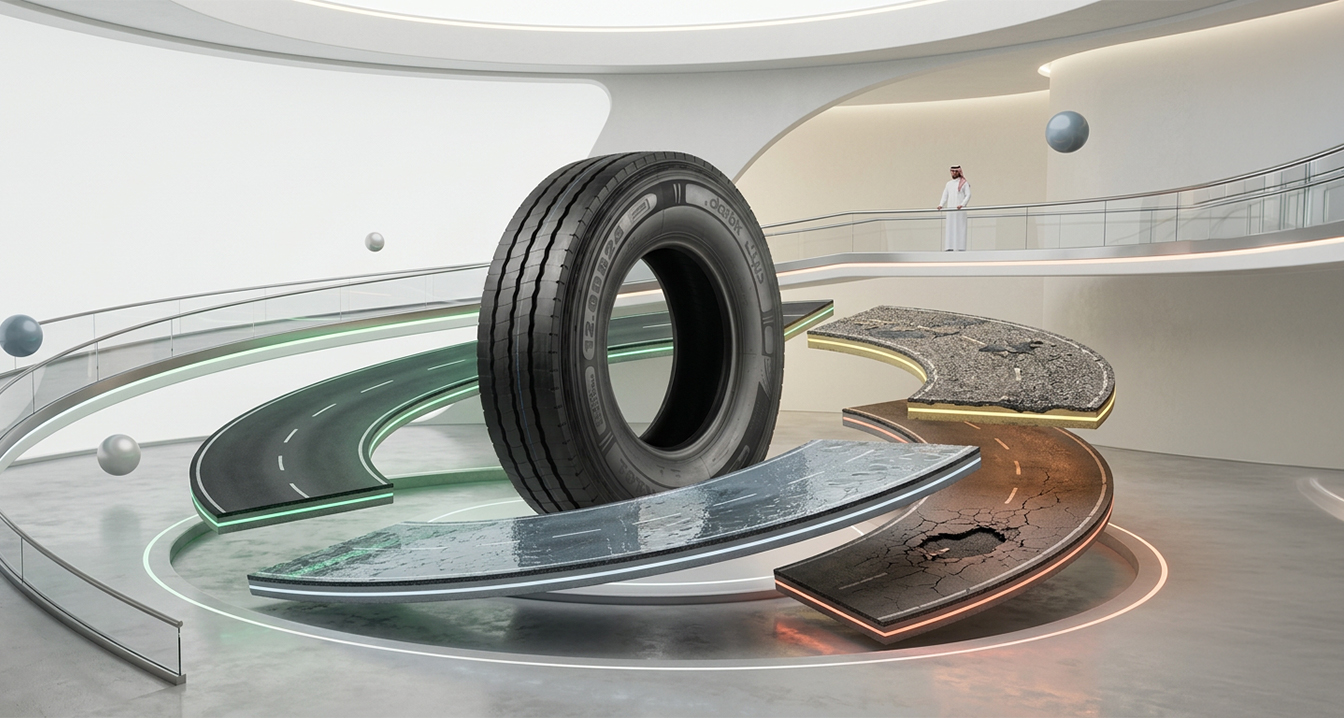
How does road condition affect driving standards and safety? This question is frequently raised by those interested in traffic engineering and infrastructure planning, as road conditions are directly intertwined with every aspect of the driving experience, from driver comfort to the safety of everyone on the road.
Road conditions determine a vehicle's ability to maneuver and brake, influence a driver's response to sudden changes, and play a significant role in either causing or preventing accidents.
But how exactly do road conditions affect driving standards and safety in Saudi Arabia? We will explore this in detail in this article, based on the latest scientific studies and official reports.
"How does road condition affect driving standards and safety? A question where civil engineering, driver psychology, and tire technology intersect, revealing that the road is not just asphalt, but a partner in every driving decision."
Official statistics indicate the Kingdom's remarkable progress in traffic safety indicators, with traffic accident fatalities dropping by more than 60% between 2016 and 2025. Nevertheless, understanding the impact of road conditions on driving standards remains a crucial factor in continuing this improvement and achieving the goals of Saudi Vision 2030 to reduce deaths and injuries resulting from traffic accidents.
The Relationship Between Road Condition and Vehicle Performance
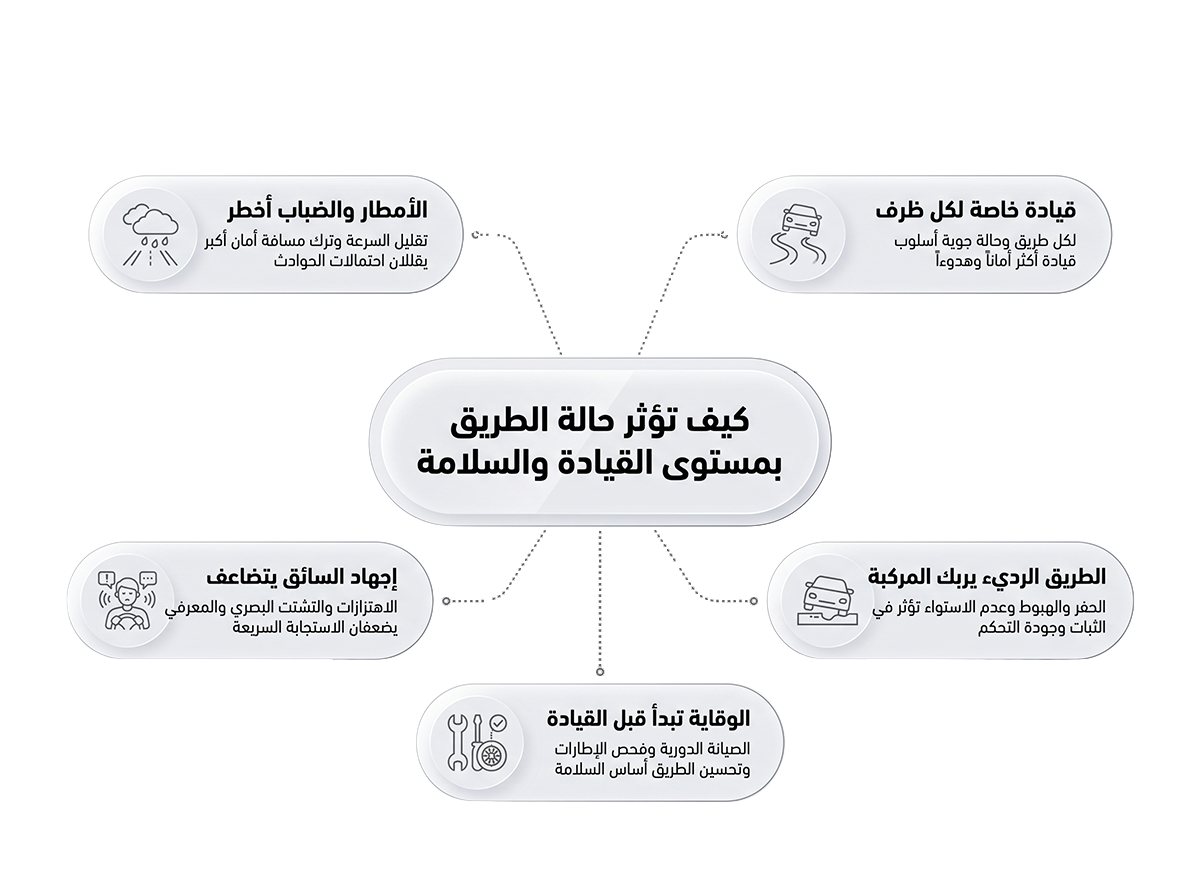
The condition of the road surface directly affects vehicle performance and driving safety. Physical laws govern the interaction between tires and asphalt, which in turn determines the driver's ability to control the vehicle and its responsiveness to steering and braking commands under various conditions.
Road surface texture plays a significant role in enhancing traction and grip. Engineering studies confirm that neglecting road topography negatively impacts the distribution of contact stresses between the tire and the ground, reducing net effective forces. Practically, this translates into increased difficulty in controlling the vehicle, especially when executing sudden maneuvers or braking in emergencies.
The importance of improving asphalt properties through modern technologies—such as high-friction surface treatments—is also evident in significantly reducing accident rates; these treatments contribute to a reduction in serious accidents by up to 51%.
Conversely, potholes and longitudinal ruts cause vehicle instability and increase the likelihood of severe accidents. These risks are exacerbated on highways with deteriorated pavement, where extreme roughness is directly linked to higher traffic fatality rates.
The danger of ruts is particularly compounded during night driving or rainfall, as water collects in these depressions, causing tires to lose direct contact with the asphalt and making vehicle control a difficult challenge that requires the highest level of caution.
"When the road surface is neglected, the driver pays a high price in longer stopping distances, slower response times, and reduced control."
Road Condition and Driver Behavior
There is also a strong relationship between road conditions and the psychological and behavioral dimensions of the driver, as well as how quickly they perceive risks and mentally respond to road conditions:
- The Impact of Road Condition on Speed
Evidence points to a correlation between road surface conditions and vehicle speeds, which in turn affects the risk and severity of accidents. On rural roads, for example, every 1 km/h increase in speed is associated with an approximately 4.5% increase in the risk of a fatal accident.
Poor road conditions lead to lower driving speeds, but they also increase the risk of accidents due to loss of control. This illustrates how road conditions affect driving standards by influencing a driver's speed choices, highlighting the need for greater awareness in adapting speed to road conditions.
- Mental Distraction and Fatigue
Road conditions also affect the driver's mental state; uneven roads generate vibrations that are transmitted into the vehicle cabin, increasing driver fatigue and reducing their ability to focus.
Studies have shown that adverse road conditions lead to a direct relationship between road state and vehicle speed, which increases visual and cognitive distraction for drivers.
"A rough road doesn't just shake the vehicle; it shakes the driver's focus and scatters their attention, turning every bump into a lapse in mental alertness."
Geographic Disparities and Traffic Safety Rates in Saudi Regions
The 2025 annual report by the Ministerial Committee for Traffic Safety revealed disparities in traffic safety levels across the Kingdom's regions. The Eastern Province led in performance with the lowest fatality rate of 7.68 per 100,000 people, followed by Al-Jawf at 8.17. Conversely, the Tabuk region recorded the highest rate at 19.38 deaths per 100,000 people, followed by Al-Baha at 18.73 and Jazan at 18.63.
This variation is primarily attributed to differences in road network readiness and infrastructure efficiency, reflecting the direct role that road conditions and geography play in determining safe driving levels and impacting the safety of road users.
Driving Fundamentals in Variable Conditions
Road and weather conditions can change, and responding to these shifts requires slowing down, maintaining a safe following distance, and using headlights to ensure safety:
Risks of Rain and Hydroplaning
Driving in the rain poses a significant challenge due to reduced visibility and loss of vehicle traction, especially in the dark or at low temperatures. The danger increases with hydroplaning, which often occurs at speeds exceeding 60 km/h, where tires lose contact with the asphalt due to water accumulation. This necessitates caution when using cruise control and doubling the following distance from large vehicles.
- Dealing with Fog and Low Visibility
Visibility in fog can drop within seconds, making driving dangerous even at low speeds. It is best to postpone trips in such weather. If travel is necessary, use the vehicle's primary lighting and defrosters, and rely on the right edge of the road as a visual guide to ensure you stay in your lane.
- Challenges of Driving in Hot Weather
Extreme heat and bright sunlight cause visual and physical fatigue for the driver, in addition to increasing stress on vehicle components such as tires and the cooling system.
Hot weather requires advance preparation by checking tire pressure, ensuring coolant levels are adequate, staying hydrated, andtaking regular breaks while driving.
- Handling Snow and Ice
Snowy and icy roads put steering and maneuvering skills to a harsh test, especially with wet snow accumulation that hinders wheel movement. This highlights the importance of installing winter tires when temperatures drop below 7°C, accelerating and braking slowly to avoid skidding, increasing following distance, and clearing the entire vehicle before setting off.
- Crossing Flooded Roads
Attempting to drive a vehicle through fast-flowing water is a grave risk; just 30 cm of water is enough to float small cars, while 61 cm can sweep away trucks and SUVs. Therefore, you should accurately assess water depth and look for safe alternative routes to avoid getting the vehicle trapped or damaged.
The Role of Tires in Adapting to Road Conditions
It is impossible to understand how road conditions affect driving without considering the role of tires, as they are the vital link between the vehicle and the road surface:
- Tread Depth and Braking Performance
Recent tests have shown that driving on worn tires in wet conditions can increase stopping distances by a staggering 140 feet.
In light rain simulations, worn tires required 30-45% more stopping distance compared to new tires of the same model, equivalent to an additional 44-67 feet. In heavy rain simulations, the stopping distance nearly doubled.
- Tire Pressure and Its Impact on Safety
A simulation study showed that reducing tire pressure from 2.413 to 1.689 bar increased the average braking distance from 16.48 to 18.96 meters, a 15.0% increase for new tires.
For tires that had been in service for a long time, the braking distance increased from 17.16 to 20.13 meters, a 17.3% increase. The results indicate that tire pressure and service age should be considered together when evaluating tire performance and vehicle safety.
Based on the above, experts recommend replacing tires when the tread depth reaches less than 4/32 of an inch, maintaining the tire pressure recommended by the manufacturer, and monitoring tire condition rather than relying solely on tread appearance. These practices help drivers adapt to road conditions and reduce the risks associated with various driving environments.
"The tire is the only connection between a driver's intent to stop and the reality of a wet road; its tread depth doesn't just measure distance—it measures lives."
Strategies for Improving Traffic Safety
Protecting lives and reducing traffic accidents requires moving from piecemeal solutions to a comprehensive system based on smart planning and advanced engineering. This system integrates sophisticated infrastructure with behavioral awareness and artificial intelligence applications to establish a safe and sustainable driving environment:
- Improving Infrastructure Quality
Research indicates that improving road conditions by reducing roughness and irregularities can enhance safety from a comprehensive network perspective. Road authorities should prioritize maintenance and rehabilitation efforts in areas where roughness and irregularities are most severe to maximize safety outcomes. Studies have shown that improving road quality can significantly reduce accident rates and increase average driving speeds.
- Preventive Maintenance
Early detection and repair of road defects are among the most important accident prevention strategies. Studies indicate that factors contributing to traffic accidents include permanent waves, poor workmanship, water pooling, road subsidence, construction repetition, invisible road markings, inadequate traffic signs, potholes and bumps, insufficient lighting, and oily surfaces. The General Authority for Roads in Saudi Arabia employs an advanced fleet of modern technologies to assess road smoothness and driving comfort.
- Awareness and Education
Driver awareness plays a vital role in adapting to road conditions. Understanding the relationship between road conditions and driving safety enables drivers to make wiser decisions regarding speed, following distance, and when to replace tires.
World Health Organization reports indicate that Saudi Arabia has made road safety a national priority under Vision 2030, adopting the Safe System approach as the foundation for its efforts.
- Leveraging Modern Technologies
The expansion of smart technologies has contributed to improving road safety in the Kingdom. Relying on the world's largest AI-powered road survey and assessment fleet has helped increase the efficiency of the road network, while the Saher system has contributed to enhancing traffic monitoring and reducing violations.
In conclusion, understanding the impact of road conditions on driving standards helps decision-makers prioritize infrastructure investment and assists drivers in making safer decisions on the road.
Therefore, the question of how road conditions affect driving standards must remain central to every development plan, awareness campaign, and decision made on the road. Road safety is not a luxury; it is an investment in lives, property, and the future.