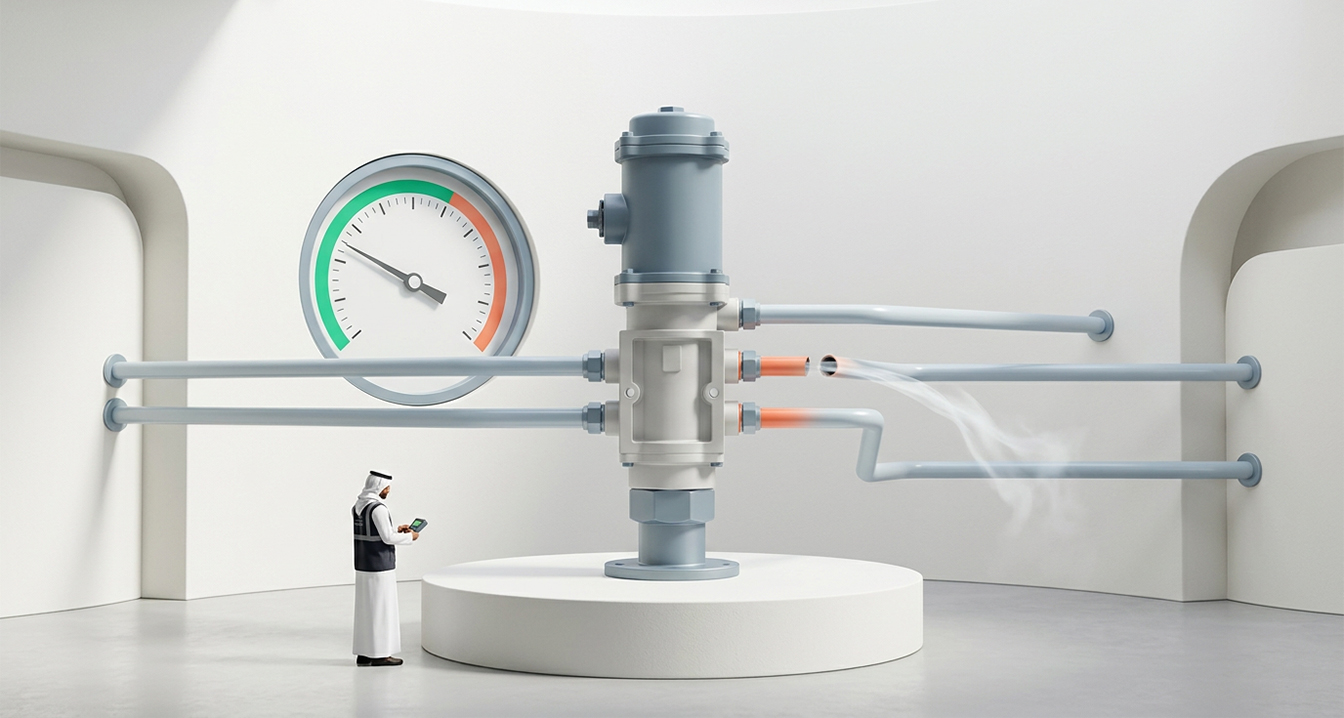
The truck air valve is the most critical component of a heavy vehicle's pneumatic system, as it precisely directs compressed air to the braking and suspension systems. Despite its vital importance, this component can suffer sudden failures that bring the truck to a complete standstill.
Given the variety of valve types and the nature of their malfunctions, it is essential to understand how they work and to follow a systematic, periodic maintenance schedule to protect them. In this comprehensive guide, we explore the secrets of truck air valves, their most common problems, and how to efficiently diagnose and repair them.
"The truck air valve is the most critical component of a heavy vehicle's pneumatic system. Despite its vital importance, it can suffer sudden failures that bring the truck to a complete standstill."
Common Causes of Truck Air Valve Failures
Truck air valves are subjected to high operating pressures and harsh working environments, making them susceptible to a range of factors that directly impact their efficiency and accelerate wear. The most prominent include:
- Carbon and Oil Deposit Buildup
Carbon and oil deposit buildup is one of the most common causes of truck air valve failure, particularly in discharge valves and the intake and exhaust valves in the compressor head.
This buildup is caused by the exhaust gas recirculation system common in modern engines, where oil vapors and carbon mix with the air entering the compressor.
When these deposits accumulate on the truck air valve, they hinder the valve's movement, preventing it from closing completely or opening fully. This can cause the discharge valve to get stuck in the open position, preventing the compressor from building the necessary pressure. In intake and exhaust valves, carbon deposits on the reeds lead to air leaks between the cylinder and the air lines.
Therefore, the primary reason a truck fails to build air pressure is oil leakage from the compressor. This burnt oil travels toward the truck air valve and the air dryer, creating sticky deposits that clog the air passages.
"The primary reason a truck fails to build air pressure is oil leakage from the compressor, where burnt oil travels toward the truck air valve and the air dryer, creating sticky deposits that clog the air passages."
- Moisture and Freezing
Moisture is the arch-enemy of pneumatic systems in general, and truck air valves in particular. Water vapor condenses inside air tanks due to temperature fluctuations, and when this moisture reaches the valves in cold weather, it freezes, causing blockages or sticking within the truck air valve components.
In winter, freezing of the air dryer purge valve is a common issue, as ice crystals prevent the valve from closing completely, leading to continuous air leaks.
Excessive moisture also damages the solenoid coils in ECAS air suspension valves and causes internal corrosion in truck air valves over time.
Experts recommend draining air tanks daily, especially in cold weather, to ensure water does not freeze inside the system. It is also essential to use a high-quality air dryer and replace its cartridge regularly.
"Moisture is the arch-enemy of the pneumatic system. In winter, the air dryer purge valve freezes, preventing a complete seal and causing continuous air leaks."
- Air Leaks from Connections and Fittings
The fault may not lie in the valve itself, but in the surrounding connections. Specialists point out that a compressor's failure to load or unload, or excessive purging cycles, can result from leaks in governor control lines, loose fittings, or simply a faulty governor.
Common sources of leaks include loose fittings, cracked or dry-rotted hoses, worn O-rings, and damaged gaskets. A minor leak can lead to a gradual drop in system pressure, causing the truck air valve to operate intermittently or fail to function entirely.
- Wear of Internal Valve Components
Continuous use of truck air valves gradually damages their internal parts. Valve discs are the most affected due to their rapid and precise vibrations. Additionally, spring elasticity deteriorates and rubber rings lose their flexibility, leading to poor valve sealing and rapid air leakage.
This wear leads to air leaking through a closed valve, delayed valve response, and an inability to reach a fully open or closed position. Internal wear can also prevent one of the air circuits in four-circuit protection valves from filling, which may prevent the parking brakes from releasing.
- Air Filter Clogging
A clogged air filter significantly impacts the performance of truck air valves. Clogged filters reduce the volume of air entering the compressor, which increases the effort required to draw in air and leads to faster sediment buildup on the valves.
Air filter issues often cause system failures without us noticing, and the fault sometimes lies there rather than in the compressor itself. Therefore, ensure the filter is clean and clear before considering replacing the air valve.

Symptoms of Truck Air Valve Failures
Accurate diagnosis of truck air system problems requires monitoring early warning signs, as symptoms vary and their implications depend on the affected component within the system:
- Consistently low air pressure below 90 psi indicates a leak in the compressor valves or a fault in the unloader valve.
- Continuous compressor operation without stopping is often due to a discharge valve leak that allows air to backflow into the cylinder.
- A constant hissing sound from the intake area while idling indicates a leak in the control lines or the intake valve.
- Difficulty releasing the parking brake is caused by a malfunction or failure in the four-circuit protection valve.
- The truck leaning to one side when parked reflects a leak in the Electronically Controlled Air Suspension (ECAS) valves.
- Frequent popping of the safety valve indicates a faulty governor or an issue with pressure regulation.
- Rapid cycling of the compressor indicates a leak in the control lines or a malfunction in the governor.
- Dirty, oily fluid discharging when draining the tanks warns of oil leaking from the compressor and entering the air system.
How to Repair Truck Air Valve Faults Step-by-Step
Below is a comprehensive, expert-recommended guide to repairing truck air valve faults, ensuring accurate diagnosis and repair:
Initial Inspection and Verification of Diagnosis
- Pressurize the discharge line to 120 psi using shop air to test for any leaks.
- Depressurize the system, then ensure the line is securely connected to the governor fitting and retest.
- Inspect the intake hose, fittings, and clamps for cracks, dryness, or damage, and replace any compromised parts.
- Inspect the metal lines to ensure they are secure and free of fractures or cracks.
- Examine the exterior of the compressor for any signs of oil or air leaks.
- If the malfunction persists after these steps, the issue lies within the valve itself or the internal piston.
Troubleshooting a stuck unloader valve
- Drain the air tanks completely until the pressure reaches zero as a primary safety measure.
- Disconnect the governor line attached to the unloader valve.
- Spray a carbon remover into the valve to dissolve deposits and debris.
- Manually move the valve, if possible, to ensure it is free and moving smoothly.
- Reconnect the line and run the engine at 1000-1500 RPM; the pressure should reach 120 psi within 45 seconds.
- Replace the valve with an approved repair kit if cleaning does not result in any improvement.
Maintaining intake and exhaust valve leaks
- Remove the compressor head using the vehicle's maintenance manual.
- Inspect the valve reeds for wear, cracks, or deformation.
- Check the sealing surfaces to ensure they are free of scratches.
- Replace the entire valve assembly with a reliable repair kit.
- Install new gaskets between the cylinder head and the block.
- Reassemble the components while adhering to the torque specifications provided by the manufacturer.
Replacing the four-circuit protection valve
- Ensure the system pressure is completely drained before starting.
- Locate the valve, which is usually found next to the air compressor.
- Disconnect the air lines, carefully noting their positions to ensure they are reconnected correctly.
- Remove the faulty valve and replace it with a new one that meets the original manufacturer's specifications.
- Reconnect the hoses and lines carefully, then test the system to ensure air is reaching all circuits.
Troubleshooting ECAS air suspension valves
- Identify the valve block responsible for the side of the truck that is sagging.
- Inspect the solenoids to ensure they have not been damaged by moisture.
- Thoroughly clean the air channels of any dirt or deposits.
- Replace the entire block if there is an internal leak, and use high-quality replacement parts.
Repairing the air dryer purge valve
- Disconnect the air dryer from the system if you notice a continuous leak or if the valve is not closing properly.
- Carefully clean the valve of any dried oil residue and carbon particles.
- Replace the entire air dryer cartridge and be sure to use premium filters to prevent the problem from recurring.
Preventive maintenance for truck air valves
Prevention is better than cure, and this is especially true for truck air valves. Here are expert-recommended preventive maintenance tips:
- Drain moisture and condensation from the air tanks daily, especially in cold weather. Pull the drain valve located at the bottom of the air tank and check for water discharge; if no water drains out, it indicates that the air dryer is functioning properly.
- Replace the air filter according to the manufacturer's specified interval, as a clean filter reduces the amount of dirt and moisture reaching the truck air valve.
- Replace the dryer cartridge regularly, inspect the heater before winter, and repair any leaks in the purge valve promptly; this significantly extends the lifespan of the truck air valve.
- Periodically inspect all connections and hoses for signs of wear, cracking, or looseness, as even a small leak can develop into a major failure of the truck air valve.
- Always use original or OEM-approved spare parts, as counterfeit parts may not withstand harsh operating conditions and could fail prematurely.
- Ensure the system pressure starts at approximately 100 psi and stops charging at 120-135 psi. Remember that any deviation from these values may indicate the onset of a malfunction in the truck air valves.
Prevention is better than cure; draining air tanks of moisture daily and regularly replacing the air filter and dryer cartridge are the secrets to extending the life of your truck air valve and avoiding costly breakdowns.
When should the entire truck air valve be replaced?
In some cases, repair may not be sufficient, and the entire truck air valve must be replaced. These cases include:
- Severe wear on the sealing surface and deep scratches that cannot be repaired by smoothing.
- Cracks in the metal body of the valve.
- If the same malfunction recurs more than twice within a short period.
- Replace the entire compressor if the carbon layer exceeds 10% of the inner diameter of the discharge line.
When replacing the truck air valve, ensure you purchase the correct valve for your truck's make and model, follow safety procedures during replacement, and use the appropriate torque tools to secure the valve to the specified values.
Always remember that prevention is better than cure, and constant inspection is the key to safe driving free from surprises. Your truck air valve deserves attention for your safety and the safety of your cargo.
We hope this guide on truck air valves has provided you with the comprehensive knowledge needed to protect your vehicle. Always remember that prevention is better than cure, and regular inspections are the key to a safe driving experience free from unexpected issues.