Determining the end-of-life for tires is not based on mileage or a simple calculation; rather, it's a complex decision rooted in a deep analysis of what causes tires to degrade and wear out. This involves understanding how the chemical and physical engineering components of tires deteriorate. As the sole engineering compound connecting trucks to the road, tires are among the most strategically important parts of trucks, and vehicles in general. This underscores the necessity of understanding their function and how to maintain them, as their safety is a vital factor that cannot be overlooked, especially in large, round-the-clock logistics fleets where the risk of tire blowouts is significantly higher than for independent trucks. The danger remains, as sudden tire failure can lead to horrific accidents and severe consequences. Therefore, it's crucial to understand that wear and consumption represent only one aspect, while the other, equally important aspect of a tire's lifespan, is the aging of its chemical and physical components. These components naturally interact directly with the atmosphere, humidity, heat, and road harshness, leading to a decrease in tire efficiency over time.
We must understand that tires are complex engineering systems, composed of multiple interlocking layers of rubber (polymers), steel belts, and reinforcement fabrics. This intricate structure means that any weakness in a single layer can jeopardize the integrity of the entire structure. Like any polymeric product, tires are subject to inevitable chemical reactions that never cease, whether they are in daily use or stored in designated, conditioned warehouses. This chemical analysis imposes a chronological age challenge, independent of mileage. Consequently, failure can begin chemically within the rubber compounds and culminate structurally in the separation of the tread from the tire and steel base, which is considered the most dangerous scenario. Therefore, a linear assessment based solely on tread depth cannot be practical for determining a tire's lifespan.
Therefore, we must adopt a multi-factor approach to general safety management. If users rely solely on tread thickness, they will be caught off guard by chemical wear-related changes and the expiration of the tire's lifespan, making them vulnerable to unexpected disasters. Conversely, if drivers or logistics fleet managers adopt a multi-factor system that genuinely measures tire age, coordinating between wear and actual lifespan, and integrating maintenance and performance quality tracking, they can identify and avoid anticipated risks. This approach allows for determining the appropriate time to change tires before reaching the maximum lifespan or experiencing severe wear.
A tire's lifespan isn't about tread depth; it's about the durability of its industrial materials.
Chemical Aging of Rubber
Tire aging, technically known as polymer degradation, is an inevitable process that begins the moment tires are manufactured and leave the factory. This process accelerates due to exposure to environmental factors, primarily heat, oxygen, ozone, and UV radiation. This deterioration is not merely superficial; it's a chemical reaction that breaks the molecular bonds of the rubber, causing it to gradually lose its elasticity and become more brittle.
Wear and aging begin with ozone gas, naturally present in the Earth's atmosphere, which is one of the most destructive factors for tire quality. Ozone gas is far more reactive than oxygen and directly attacks the double bonds found in unsaturated rubber compounds. This reaction, known as "ozonolysis," breaks the molecular chains of the rubber, leading to the formation of microscopic cracks on the tire surface. This process starts on the surface and progresses inward. Under static conditions, a rigid, silver-white film forms on the surface, lacking elasticity, which can initially prevent deep contact between ozone gas and the inner rubber layers of the tire. However, this protective film is susceptible to breaking under mechanical stress. When the tire is subjected to dynamic tension during driving or deformation due to insufficient air pressure, the hardened surface film cracks, exposing new inner rubber to react with ozone. This continuous reaction directly leads to the growth and deepening of cracks within the tires, particularly in the sidewalls. These cracks, developing from the outside inward, progressively weaken the tire's internal structure over the long term, potentially culminating in the separation of the steel belts from the tire base, which represents the peak of chemical and structural failure.
Dry Rot and Visual Signs of Aging
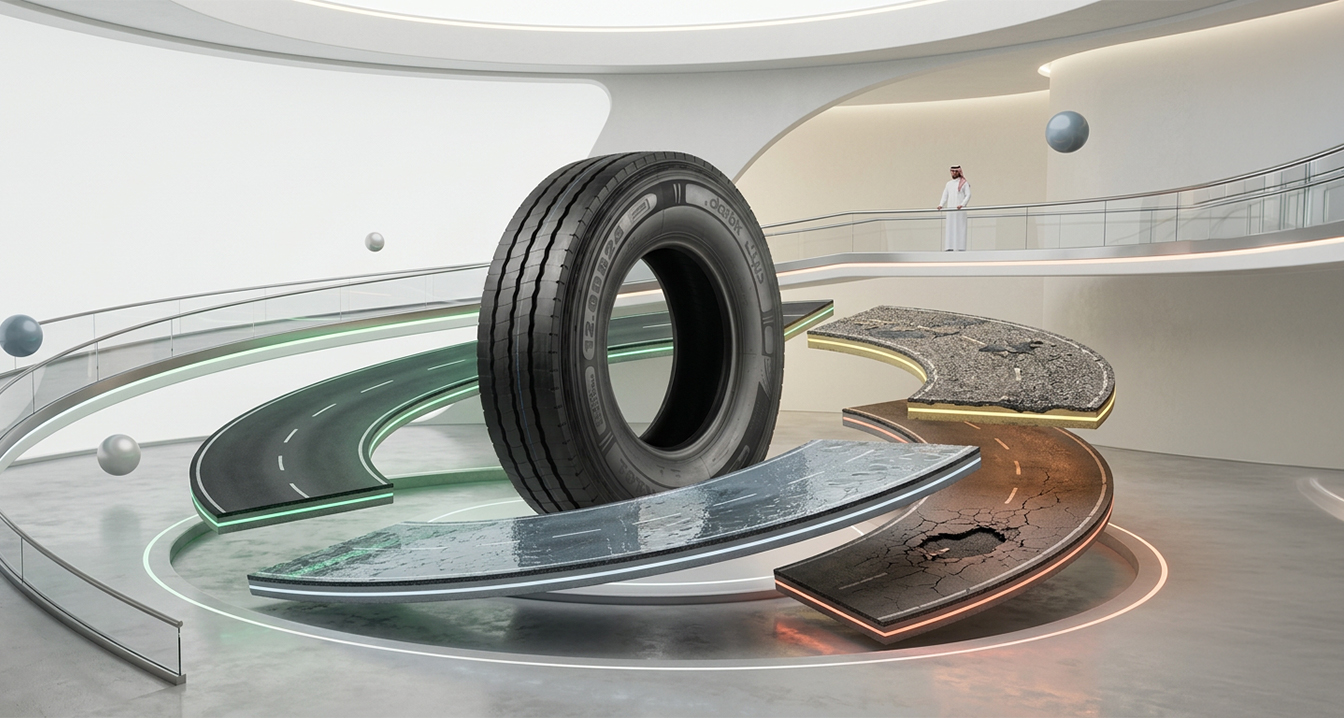
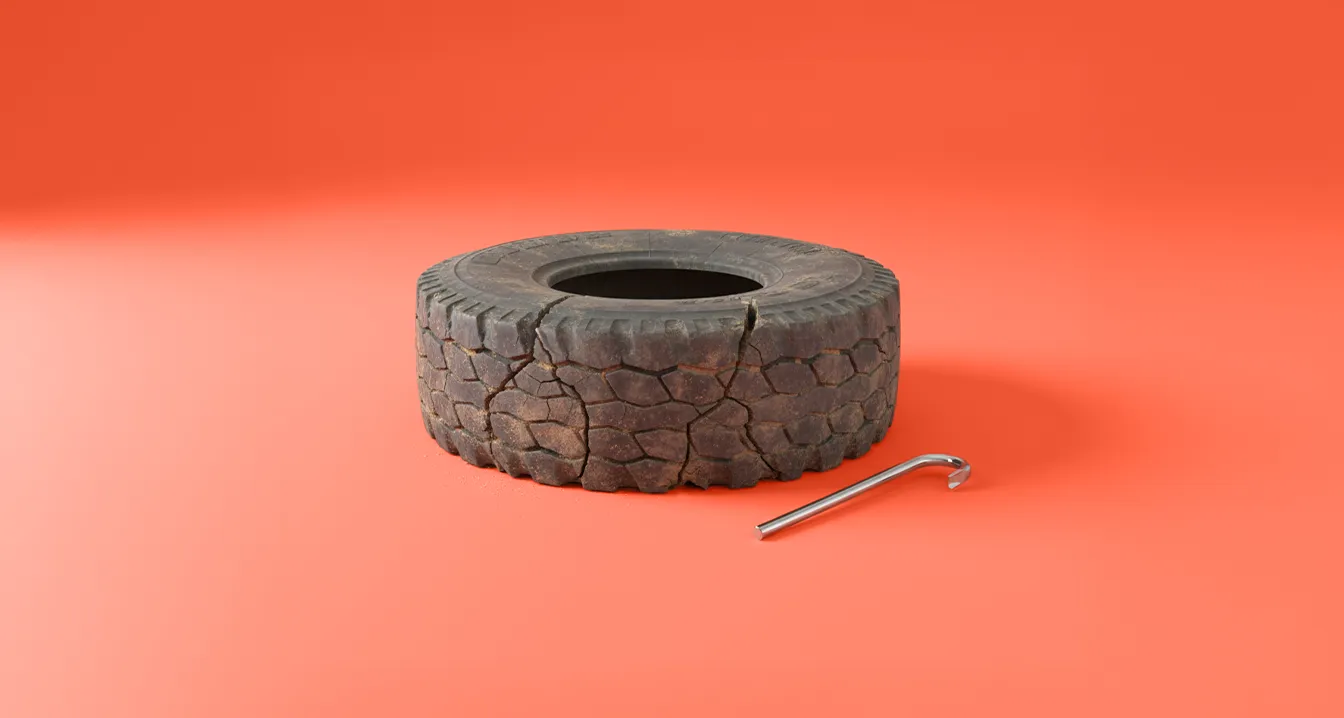
The visible and superficial deterioration of tires is called "Dry Rot" or "Lateral Weathering," and it is a direct result of oxidation processes and intense UV exposure from prolonged sun exposure. The visual signs of dry rot appear in several clear forms, indicating the tire's loss of crucial safety and security properties. These include the appearance of cracks on the sidewalls, which may start small and gradually deepen to reveal the tire's inner layers. Along with this, the rubber's color also changes, becoming more faded or grey instead of its original deep, dark black, clearly indicating surface oxidation. Furthermore, the tire's texture becomes hard, brittle, and loses its flexibility, fully demonstrating its inability to continue operating on fast commercial roads. It becomes incapable of handling the significant pressure from the truck's weight and cargo, let alone the bumps and rough roads that may be encountered during goods transport by trucks. This is why Darbk Tire Company headquartered in Riyadh, the capital of Saudi Arabia, has focused on selecting the best tire manufacturing materials and integrating them with smart engineering to make tires more resistant within Saudi Arabia's hot and variable environment.
Chemical Aging of Tires: Far More Dangerous Than Wear!
To counter this chemical phenomenon, tire manufacturers incorporate antioxidant chemical compounds that act as rubber stabilizers. These are categorized into primary antioxidants, which prevent the formation of free radicals for oxidation, and secondary antioxidants, which react with existing free radicals. This complex chemistry significantly slows down the process of tire breakdown, the disintegration of its chemical compounds, and the deterioration of rubber quality, while also improving resistance to the effects of ozone gas. However, despite all this, these chemical compounds cannot extend the actual lifespan of tires; they merely slow down the process of consumption and disintegration without eliminating it. It's worth noting that tires remaining idle for long periods, whether as spares or in designated warehouses, are more prone to dry rot growth and penetration than tires that are regularly used and rotated. This is because the protective oils injected into the tire's interior migrate to the surface due to centrifugal forces. When tires remain static, these oils and chemicals stay trapped within the tire, leaving the surface exposed to dry rot, wear, ozonic cracking, and other tire consumption factors that we constantly warn against.
What is the Impact of the Operational Environment on Tire Life?
Tires typically operate in many different operational environments with various stresses and changes. However, in Saudi Arabia, the predominant impact on tires remains high temperatures, which are among the most significant contributors to tire aging. Studies indicate that tires operating in warm environments experience a substantially reduced lifespan, as heat is not merely an environmental factor but a powerful kinetic catalyst that doubles the degradation rates of the materials from which tires are made. As is well known, material properties like tensile strength and impact resistance are measured based on temperature; for instance, elasticity can increase at abnormal rates due to high operating temperatures. From an engineering perspective, heat also increases the rates of chemical aging in polymeric and rubber materials. These materials can begin to significantly break down and disintegrate above 85°C, posing a considerable risk to the truck and driver and greatly reducing safety levels.
Air Pressure Dynamics and Tire Expansion Capability:
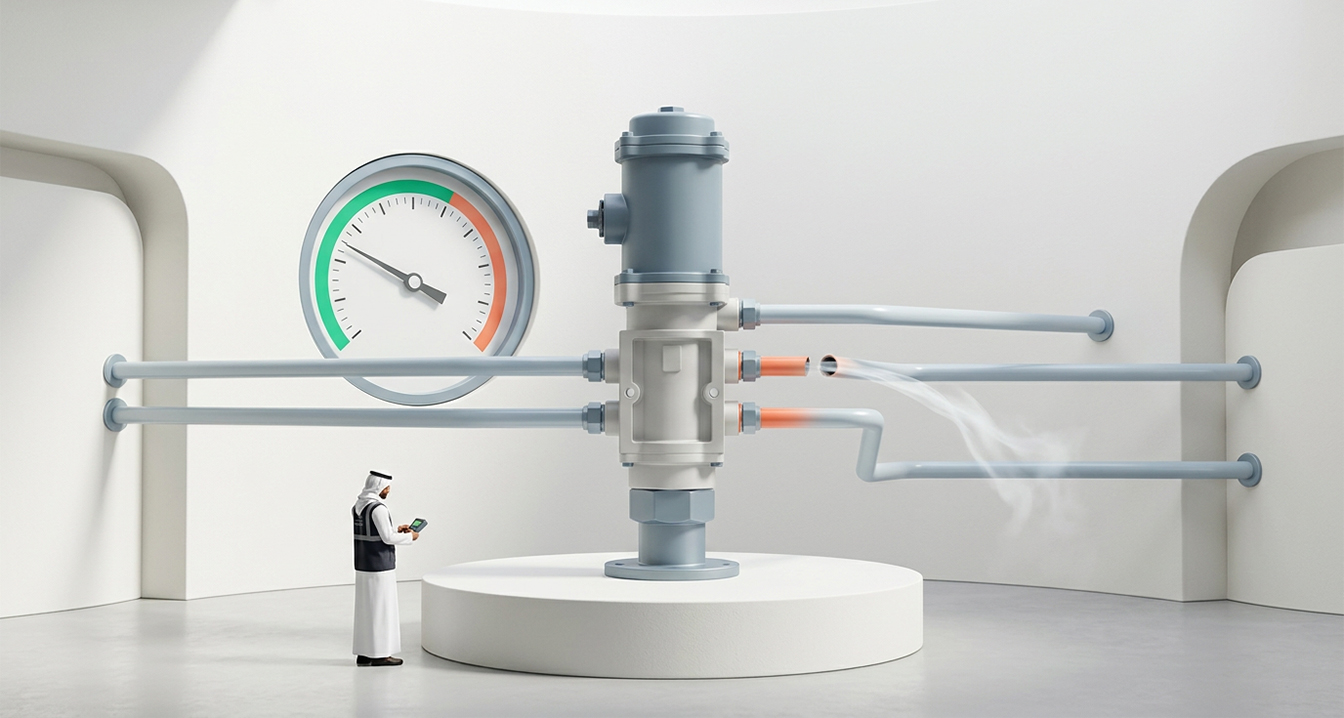
One of the most dangerous direct effects of high heat lies in the dynamics of air pressure inside tires. This effect is based on the physical principles of gases: when temperature rises, air and gas molecules inside the tire move faster and expand to occupy more space, leading to an increase in the tire's internal pressure. Therefore, the general rule recommended by experts and technicians is that tire pressure increases by approximately 0.1 bar or 2 PSI for every 10°C increase in ambient temperature. This means tire pressure increases proportionally with rising temperatures, which result from a combination of friction and ambient temperature factors. Consequently, if this change is not monitored and pressure is not adjusted according to operating requirements in cold conditions and when the truck and tires are static, the thermal rise and resulting additional pressure can lead to excessive tire inflation. This can disintegrate the tire's internal fabric, making it prone to collapse and blowout easily. Furthermore, it causes vibrations and reduced shock absorption, which weakens steering control and puts the suspension system under immense stress, exposing us to other technical problems, especially when combined with high speeds on highways and international roads.
Heat, Catastrophic Failure, and Statistics:
Traffic statistics confirm a strong correlation between high temperatures and tire blowout incidents. Analytical data on tire blowouts shows that their rates increase during hot summer months like July and August. These statistics indicate that incidents worsen during the hottest part of the day, specifically from 2 PM to 5 PM. Moreover, the majority of these incidents occur on external commercial roads where trucks travel at high speeds, which amplifies the generation of internal friction heat, in addition to the rising ambient temperature that continuously increases as tires are exposed to sunlight and hot winds. This strong relationship reveals that drivers in desert climates face a complex triple challenge: first, the high temperature of the region and climate; second, the high temperature of the asphalt surface, which further heats the tires; and third, the increased temperature due to road friction from high-speed driving. This results in both internal and external heating of the tires, significantly contributing to an accelerated aging rate of the tire's internal materials, thereby making components more susceptible to disintegration and cracking, tragically leading to tire failure, blowout, or rupture.
What are the time and legislative controls for tire lifespan?
Determining the maximum lifespan of tires is characterized by varying global recommendations from leading manufacturers and specialized bodies, alongside mandatory restrictions imposed by regional, governmental, and international regulatory authorities, especially in harsh environments, construction sites, and projects. This disparity represents a crucial point for consumers in the Middle East generally, and Saudi Arabia specifically. Therefore, we will address each aspect separately.
Global Perspective and International Recommendations: Major international companies and global tire organizations adopt a ten-year rule as the maximum period tires can be allowed to operate on roads. This comes with recommendations to replace tires even if they are not worn out within ten years, to avoid chemical problems and internal reactions that may not be visibly apparent, effectively turning them into ticking time bombs that could explode at any moment and cause a disaster on commercial highways. This maximum age limit stems from the integrity of the tire's chemical components, which significantly lose their bonding ability after this period, making tires less efficient and more dangerous on commercial roads.
Regional Perspective and Recommendations in the Middle East: Despite Western countries' ten-year recommendations, Middle Eastern and Arabian Gulf countries, in particular, have adopted a five-year rule. This decision is based on studies regarding the effects of environment and climate on tire quality. It has become known that high temperatures significantly accelerate tire aging, making them prone to disintegration and blowouts. The five-year limit is strict, mandatory, and comprehensive, including the storage period. In the United Arab Emirates, drivers are required to replace tires manufactured more than five years ago, even if they show no signs of wear. This variation and difference in regulations is not arbitrary; rather, it is a direct response to the reality of living in a region where temperatures are significantly high, as the operating environment places considerable thermal stress on tires. Therefore, five years is considered entirely sufficient for tires in this operational environment. Drivers must understand and comply with these laws without exception to avoid tire blowouts or separation from their internal structure.
Sales and Storage Standards in Saudi Arabia: In the context of quality management and ensuring public road safety, the Saudi Standards, Metrology and Quality Organization (SASO) has established standards related to the tire circulation period. These standards recommend that the storage period for a tire before being sold to a consumer should not exceed two years from the date of manufacture. This regulation ensures consumers that the tire offered for sale still retains its efficiency and operational capability, while maintaining the integrity of its chemical components.
Tires are not just rubber rings; they are a double-edged sword that requires sufficient care to perform their function.
How can we extend tire lifespan?
The chemical degradation of tires cannot be stopped, as reactions continue indefinitely without an end point. However, we can work to slow the rate of reaction and extend the safe operational life of tires by adopting precise and advanced preventive maintenance strategies. These practices are essentially an effective management of the thermal and mechanical energy to which the tire is exposed daily.

Precise Management of Internal Tire Pressure:
Maintaining the air pressure inside tires at the appropriate level for the truck's operating environment is one of the most crucial individual factors in extending tire lifespan and ensuring public road safety. Therefore, tires should be checked when cold, before driving the truck more than two miles, and in compliance with the tire manufacturer's recommendations.
Routine Mechanical Maintenance:
Routine mechanical maintenance plays a direct role in preventing uneven wear patterns, thereby extending the operational life of the tire without significant, unmanageable wear. This is achieved through tire rotation, which involves symmetrically or parallelly swapping tire positions, ensuring even wear across all tires. This procedure is recommended every 15,000 kilometers, in addition to wheel alignment and tire balancing, as these factors can lead to uneven natural wear and instability.
In conclusion, it can be stated that the effective lifespan of tires ends after five years of operation in hot and harsh environments, even with ideal monitoring and regular maintenance. For those looking to acquire the best truck tires in Saudi Arabia, options are available at Darbk Tires, which provides and manufactures high-quality truck tires specifically designed for operation in Saudi Arabia's diverse environments.