Imagine you're driving your truck down a long road in the middle of the day, everything going smoothly. But suddenly, a strange sound starts coming from the tires – a hum or an intermittent rattle that gets louder as you increase speed. At first, you might ignore it, but over time, it becomes annoying, and perhaps even concerning.
This sound isn't just fleeting noise; it could be a warning message from the tires themselves, alerting you to a malfunction, wear, or even an impending danger.
In this article, we'll explore the real reasons behind annoying sounds in truck tires and how to prevent them from becoming serious problems. We'll also explain how Darbk tires help reduce these sounds through smart design and advanced technologies, providing you with a quiet and safe ride.
What is the nature of the annoying sound coming from tires?
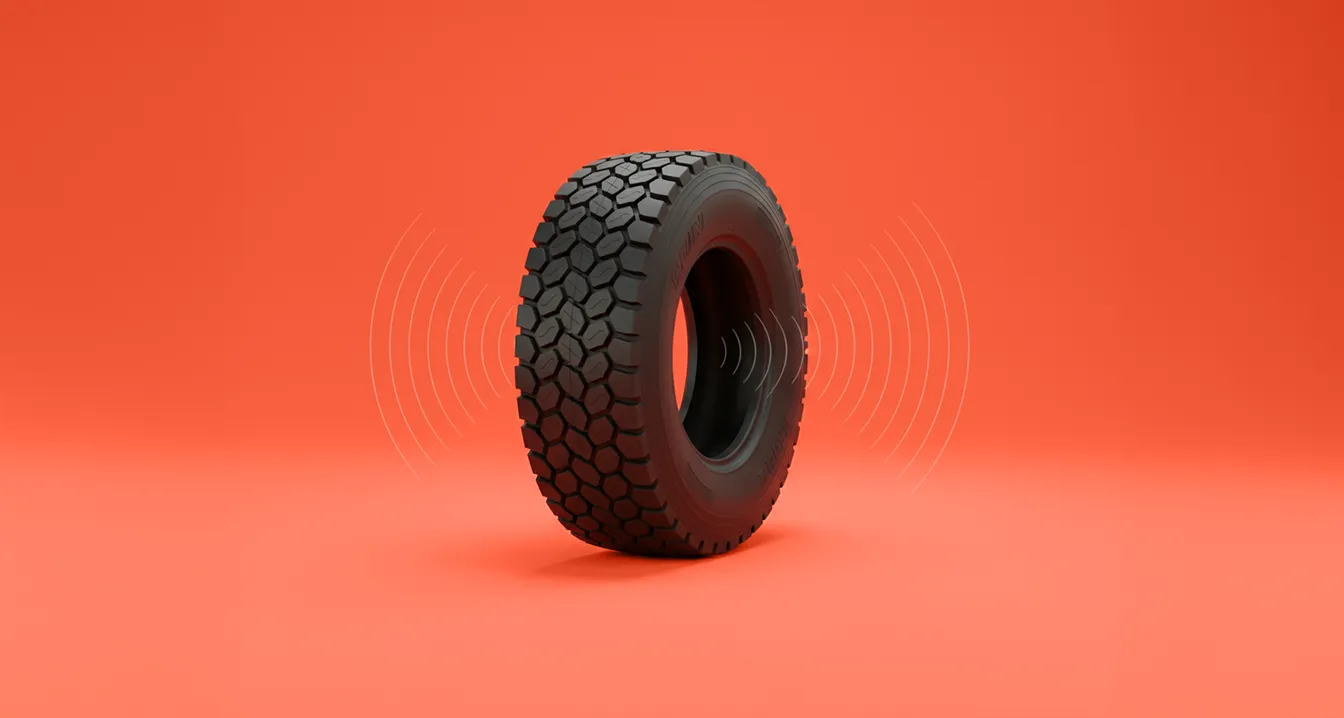
The annoying sound we hear from truck tires can vary in intensity and tone, but it's often caused by one of four types of sounds:
- Continuous Hum:
Resembles a faint whistle or a repetitive vibration.
- Rattle or Clicking:
Often appears at low speeds.
- Rough Friction Sound:
Appears when driving on uneven roads.
- Buzzing or Intermittent Vibration:
Increases with speed and sometimes disappears when stopped.
It's important for drivers to realize that some noise is normal in heavy trucks. However, when the sound suddenly changes or becomes louder than usual, it indicates something abnormal in the tire or the suspension system.
Technical Reasons for Sound in Truck Tires:

- Tread Pattern Design:
The tread is the outer design of the tire surface, responsible for road grip. In trucks, the tread is deeper and larger than on small car tires, which causes it to generate louder sounds during rotation.
However, using tires unsuitable for the road type or load can cause the tread to generate annoying sounds. Interrupted or very wide tread patterns trap air between the grooves and release it quickly during rotation, creating an audible hum.
According to a study by SAE International, tread design alone can change noise levels by up to 12 decibels between different tire types.
- Irregular Tread Wear:
When tires wear unevenly, the irregular surfaces make intermittent contact with the road, creating vibrations and an annoying noise. This wear is typically caused by:
- Unbalanced tires.
- A suspension system issue.
- Improper tire pressure.
- Irregular tire rotation.
A 2023 Nokian Tyres report confirms that irregular tread wear increases noise by 30% compared to balanced tires.
- Tire Air Pressure:
Low pressure causes the tire to flatten more against the road, leading to increased friction and louder noise. Conversely, excessive pressure reduces the contact patch and increases vibration.
According to a study by Boyd Coddington Wheels, an error in tire pressure (even by 10%) can nearly double the noise.
- Road Condition:
Rough, cracked, or gravel-strewn roads naturally increase noise levels. The problem worsens at high speeds, as tire treads interact with uneven surfaces, producing unpleasant vibrations.
A report from the National Institute of Standards and Technology (NIST) recorded that tire noise on rough roads increases by 6 to 9 decibels compared to smooth roads.
- Other Truck Components:
Sometimes the noise originates from other components like bearings, the axle, or brakes, rather than the tires themselves. However, because these sounds travel through the truck's body, drivers often mistake their source and assume the problem is with the tires.
Why Pay Attention to Annoying Noises?
An annoying noise isn't just a nuisance to the driver; it's a critical warning sign that could save your life if taken seriously.
- Risk of Sudden Wear or Blowout:
Tires making an abnormal noise might be on the verge of blowing out due to internal wear or excessive heat.
According to the U.S. National Highway Traffic Safety Administration (NHTSA), 11,000 accidents annually in the United States result from tire blowouts or failures.
- Impact on Comfort and Concentration:
Constant noise stresses drivers and distracts them during long-distance journeys, increasing the risk of accidents.
- Increased Fuel Consumption:
When a tire produces noise due to excessive friction, it indicates greater rolling resistance, leading to higher fuel consumption.
A study by the US EPA confirmed that worn or improperly inflated tires can increase fuel consumption by 4% to 6%.
How can annoying truck tire noise be addressed?
- Regular Inspection:
Always start with a visual inspection. Check for uneven wear, small cracks, or foreign objects lodged in the tread. Often, the noise is simply caused by a small stone stuck between the grooves.
- Tire Pressure Check:
Use a reliable pressure gauge to check tire pressure weekly, especially before long journeys. Adjust the pressure according to the manufacturer's recommendations, as any deviation can cause unwanted noise.
- Tire Balancing:
Improper balancing causes vibrations that can develop into annoying noises. Tires should be balanced at least every 10,000 km.
- Tire Rotation:
Rotating tires between the front and rear axles helps distribute wear evenly and prevents noise caused by vibration.
- Choosing the Right Tire:
Not all tires are suitable for all types of trucks or roads. Choosing an unsuitable tire can result in excessive noise, which is where expertise in making the correct choice becomes crucial.
Darbk Tires' Role in Reducing Annoying Noise:
While drivers attempt to mitigate noise through regular maintenance, Darbk tires offer a fundamental solution: a modern design that reduces noise before it even begins.
- Quiet and Balanced Tread Design:
Darbk tires feature an engineered tread design that evenly distributes contact with the road, reducing air hum and surface vibrations. The tread was also developed to avoid "resonant tread noise," which is the vibration that generates humming at high speeds.
- Vibration-Absorbing Rubber Materials:
Darbk uses advanced rubber compounds that absorb vibration and provide a smoother ride. This technology reduces sound transmission to the driver's cabin by up to 40% compared to traditional tires.
- Rigorous Sound Testing:
Before launching any product, Darbk conducts sound tests in specialized laboratories to measure noise levels under various conditions (temperature, speed, load). The results have shown amazing performance on Saudi and Gulf roads.
- Excellent Grip Performance:
The better the tire's grip, the less noise generated by partial slippage. That's why Darbk tires are equipped with a multi-directional tread pattern that enhances stability, especially on highways.
With Darbk… the road is quieter, the journey is more comfortable, and confidence is higher.
Additional Tips for Drivers:
- Don't ignore any new sounds from your tires; sounds don't appear for no reason.
- Clean your tires regularly to remove dirt and lodged stones.
- Avoid driving at high speeds on rough roads.
- Use the appropriate tires for each season and road conditions.
- Check your suspension system and axles periodically.
Annoying noise from truck tires might seem minor, but it's actually an alarm bell that needs immediate attention. The tire is the component that carries the entire truck, and any problem with it poses a risk to the driver, cargo, and the entire road.
With regular maintenance, thorough inspection, and choosing the right tires like Darbk tires, you can say goodbye to annoying noises and enjoy a quieter, safer ride.
Darbk… because a quiet road starts with the right tire.