Imagine you're a truck driver covering hundreds of kilometers daily, transporting goods from one city to another under a scorching sun or in the dead of night. After a long day of driving and intense focus, you search for a safe place to park your truck and get some rest. Unfortunately, you can't find a suitable spot, forcing you to pull over on the side of the road among other trucks, in an undesignated or potentially dangerous area. This isn't a fictional story; it's a daily reality for thousands of drivers worldwide.
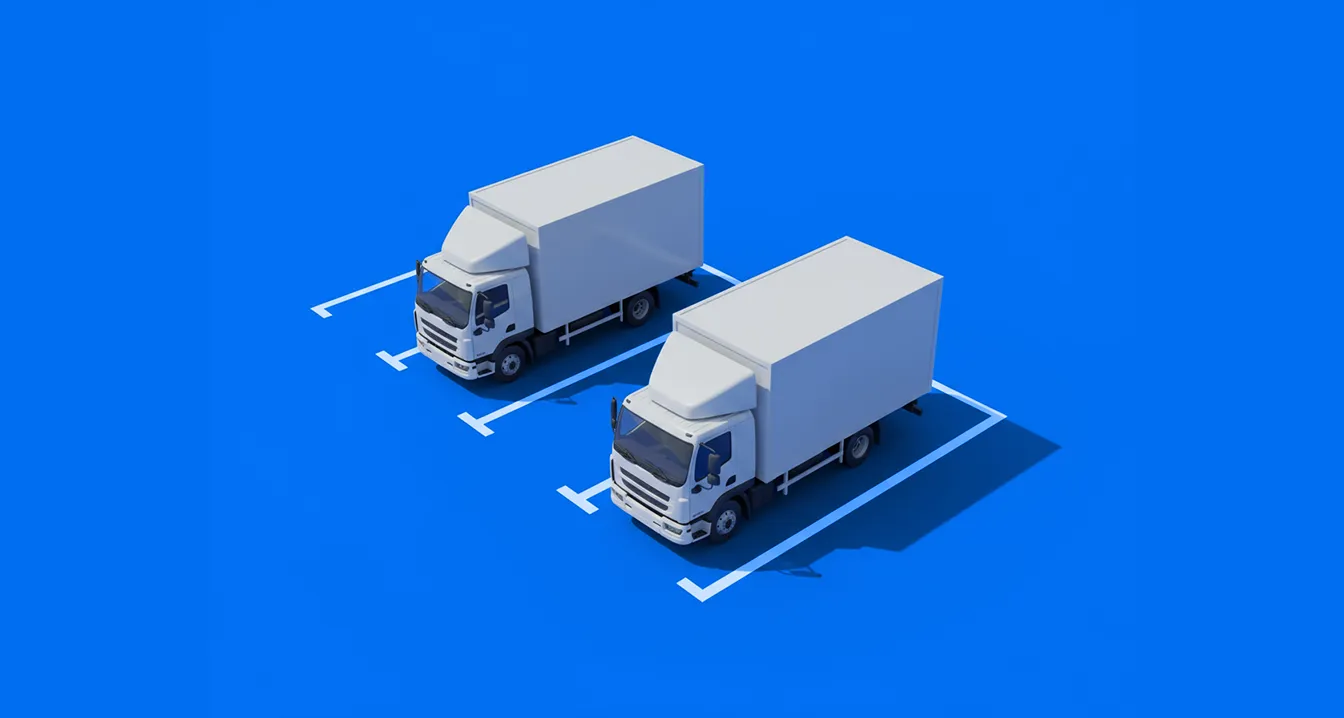
The shortage of truck parking has become a global issue, threatening driver safety, impacting transportation efficiency, and increasing operating costs. With the rising demand for road transport, this crisis is more acute than ever. In this article, we will explore the scope of this problem, its causes, its effects, and the most viable solutions.
We will also illustrate how companies like Darbk can play a role in enhancing the driver experience and providing smart, sustainable solutions for the future of transportation.
Analyzing and Quantifying the Problem: How Many Parking Spots Are Missing?
According to a recent report from the Truck Parking Club, the shortage of truck parking costs the American transportation sector over $100 billion annually due to wasted time and fuel spent searching for spots. Statistics reveal there's only one legal parking space available for every 11 truck drivers.
In Europe, a study by the European Transport Federation indicates an estimated shortage of 400,000 secure truck parking spaces, forcing drivers to park in unsecured areas or on highway shoulders.
In the Arab world, while precise statistics are scarce, many drivers face the same issue, particularly in industrial zones or near ports where trucks often accumulate overnight without proper organization or oversight.
The shortage of dedicated parking spaces isn't merely a logistical problem; it's a genuine crisis impacting human safety and economic efficiency.
What's Causing the Truck Parking Shortage?
Before delving into the specifics and figures, it's crucial to understand that the parking shortage didn't emerge overnight. Instead, it accumulated over years of rapid growth in the transportation sector without adequate infrastructure planning. As cities expanded and demand for road transport surged, the number of trucks doubled while dedicated parking areas remained limited. This disparity is at the root of the crisis, and several factors have contributed to exacerbating the truck parking shortage. These factors include:

- Growth in Transportation Volume:
With the rise of e-commerce and demand for expedited shipping, the number of trucks on the roads has increased by over 30% in the last decade, according to a FleetOwner report. Unfortunately, this growth hasn't been matched by adequate expansion in parking infrastructure.
- Hours of Service (HOS) Regulations:
Regulations mandating drivers to rest after a specific number of driving hours have made the need for parking even more urgent. However, these regulations haven't been accompanied by a proportional expansion of facilities.
- High Land Costs:
Establishing safe and well-equipped parking facilities requires significant space and substantial financial investment. With rising land prices, some companies opt to utilize available land for more profitable commercial ventures instead.
- Lack of Coordination Among Stakeholders:
In many countries, there's a lack of effective coordination among transport ministries, municipalities, and the private sector for developing integrated truck parking facilities.
This confirms that tired drivers search for a safe place in the middle of the night, but ultimately they are forced to park randomly on roadsides, increasing the risk of accidents.
How does the shortage personally affect drivers?
Before delving into the practical impacts on drivers, it's helpful to visualize their daily struggles on long, non-stop journeys. A driver who can't find a safe place to stop endures physical and psychological pressures that others don't experience. This daily hardship makes the parking shortage a humanitarian issue before it's a logistical one, directly affecting their daily lives in the following ways:
- Stress and Fatigue:
A driver unable to find suitable parking is forced to drive for additional hours searching for a rest stop, increasing their exhaustion and reducing their concentration behind the wheel. NHTSA studies indicate that fatigue is responsible for approximately 13% of truck accidents annually.
- Personal Safety:
Stopping in undesignated areas exposes drivers to the risk of theft or assault. In Europe, over 8,500 incidents of cargo theft from trucks parked in unsafe locations were recorded in 2023 alone.
- Psychological Pressure:
The daily search for parking causes constant tension. Imagine every work trip ending with anxiety because there's no safe place to stop.
- Additional Costs:
Every minute a driver spends searching for parking is lost work time, and parking in illegal spots can lead to fines of hundreds of dollars.
How does the parking shortage affect businesses and the supply chain?
Before discussing the broader economic impact, it's crucial to understand that the parking crisis extends far beyond the driver's seat, permeating the entire transportation system and affecting supply chains and business efficiency. Every minute a driver is delayed from stopping or resting is a minute deducted from delivery time and productivity. The issue doesn't just impact drivers; it extends to transportation companies and global supply chains, specifically through:
- Shipment Delays:
When drivers can't find a place to rest, they may be forced to stop in locations far from the delivery site, leading to schedule delays.
- Increased Operational Costs:
Searching for parking means greater fuel consumption and an increase in paid working hours.
- Decreased Productivity:
Every hour a driver spends searching for parking is an hour not spent on transport or delivery.
- High Turnover Rates:
Drivers who frequently encounter parking problems become demotivated and leave the industry.
According to an ATA (American Trucking Association) report, the difficulty of finding parking is one of the top three reasons drivers leave their jobs.
Real-world Examples and Experiences:
In the United States, a study by Trucking Research showed that the average number of available parking spaces at public rest stops does not exceed 19 per location, a meager figure compared to daily demand.
In Europe, a study by Bosch Secure Truck Parking reported that over 90% of truck parking spaces in the European Union are unsecured, forcing drivers to sleep in unsafe conditions.
In some Arab countries, such as Saudi Arabia and the UAE, initiatives have begun to address the problem. The Saudi Ministry of Transport has launched programs to expand fuel stations and logistics services on highways to include dedicated truck parking, as part of Vision 2030 to improve transport infrastructure.
How can we improve the situation and address the truck parking shortage?
Before we explore the practical solutions, we must recognize that the truck parking crisis is not a problem that can be solved by a single decision or a limited project; rather, it requires a comprehensive vision and cooperation between government entities and the private sector.
The solutions are not just about building new spaces, but about intelligent approaches to managing these parking areas and ensuring they truly serve drivers. Below are several solutions to help alleviate the truck parking shortage:
- Investing in Infrastructure:
The primary solution is to build new parking facilities equipped with integrated services, including security, showers, restaurants, and maintenance stations.
- Public-Private Partnerships:
Private companies can participate in funding parking facilities in exchange for nominal fees, creating a sustainable economic model.
- Smart Technologies:
Recently, modern applications have emerged that help drivers find the nearest available parking, such as TruckSmart and ParkMyTruck, with some allowing for advance booking.
- Improving Urban Planning:
Municipalities should allocate sufficient space for trucks at ports and industrial areas to avoid haphazard congestion.
- Awareness and Training:
Increasing drivers' awareness of the importance of planning trips in advance and utilizing modern technological tools.
What can drivers do today?
Before we outline the practical steps, it's important to remember that the driver is the most crucial link in the entire transportation system.
Even with government plans or smart solutions in place, a driver's awareness and trip management remain the most critical factors in ensuring their safety and efficiency. Here are some practical tips they can apply daily:
- Plan your trip in advance:
Use apps or maps to identify safe stopping places along the way.
- Collaborate with other drivers:
Share information about good parking spots via communication groups or forums.
- Avoid stopping in dangerous places:
Even if you have to drive an extra distance.
- Keep track of your designated rest time:
Do not exceed legal driving hours to ensure your safety.
Darbk Company's Role in Supporting Drivers:
Amidst these challenges, Darbk emerges as a trusted brand committed to supporting drivers and enhancing their daily road experience. While drivers contend with a shortage of parking, Darbk addresses another equally crucial aspect: Providing safe and durable tires that reduce breakdowns during long journeys.
- Darbk tires are designed to withstand high temperatures and long driving hours without losing balance or grip.
- Its SASO (Saudi Quality Mark) certification means it has passed performance and safety tests under the most challenging conditions.
- The company also offers free consultation services, helping drivers choose the most suitable tire based on road type and load characteristics.
In this way, Darbk supports drivers not just with its product, but also by fostering a culture of safety and professionalism.
In conclusion,
The shortage of truck parking is not a marginal issue; it's a problem that impacts drivers' lives, road safety, and the security of supply chains. It's a crisis that demands concerted efforts from governments, companies, and drivers alike.
Until sufficient and safe parking is available, drivers must exercise caution, rely on prior planning, and depend on reliable tires that can withstand long distances and harsh conditions.
With Darbk tires, you can drive with confidence wherever you are, assured that the road beneath you is safe and that the tire carrying you is designed to withstand the toughest conditions.
Darbk... Because your journey deserves the best.