When drivers think about tire safety, they immediately picture highways, high speeds, and sharp turns. It rarely crosses their minds that the real danger might be lurking while they are completely stationary—waiting in line at a checkpoint or parked for hours at a port or customs yard. Yet, the truth many overlook is that prolonged parking can sometimes be more damaging to a tire than driving itself.
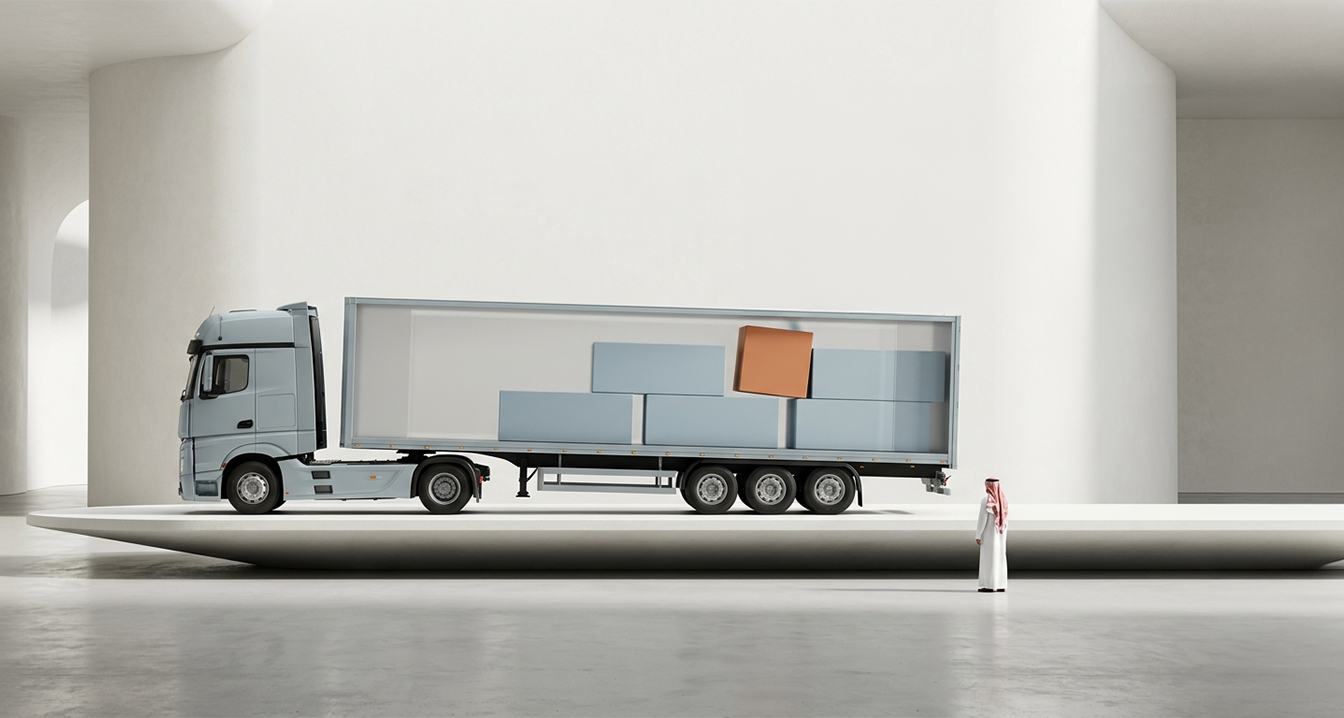
At checkpoints and ports, trucks and heavy vehicles sit under the sun, fully loaded, with no movement to relieve or distribute the pressure. As this happens day after day, the tires begin to suffer in silence, until the problem suddenly manifests the moment the vehicle starts moving.
In this article, we will explore how long-term parking affects tires and how drivers can protect themselves and their vehicles with smart, practical steps. We will also highlight the importance of choosing reliable tires that can withstand these conditions, such as Darbak tires.
Why is prolonged parking dangerous for tires?
Many drivers assume that tires only wear out while in motion, but from a physics perspective, static pressure over long periods is one of the harshest types of stress on a tire's structure.
When a vehicle is parked, its full weight is concentrated on a single point of each tire, without any rotation to distribute the load. This is known as static stress, and it is fundamentally different from the stress experienced while driving.
Engineering reports from global tire manufacturers indicate that tires subjected to constant pressure for long periods can lose 10–15% of their elasticity, especially when combined with high temperatures.
The most dangerous environments for parked tires:
Not all parking locations affect tires in the same way. Some environments pose higher risks due to surface conditions, temperature, and the duration of the wait. Certain sites force drivers to remain parked for long periods under full load in harsh weather, causing the tire to bear a double burden without any movement to alleviate the pressure. These locations include:
- Border checkpoints:
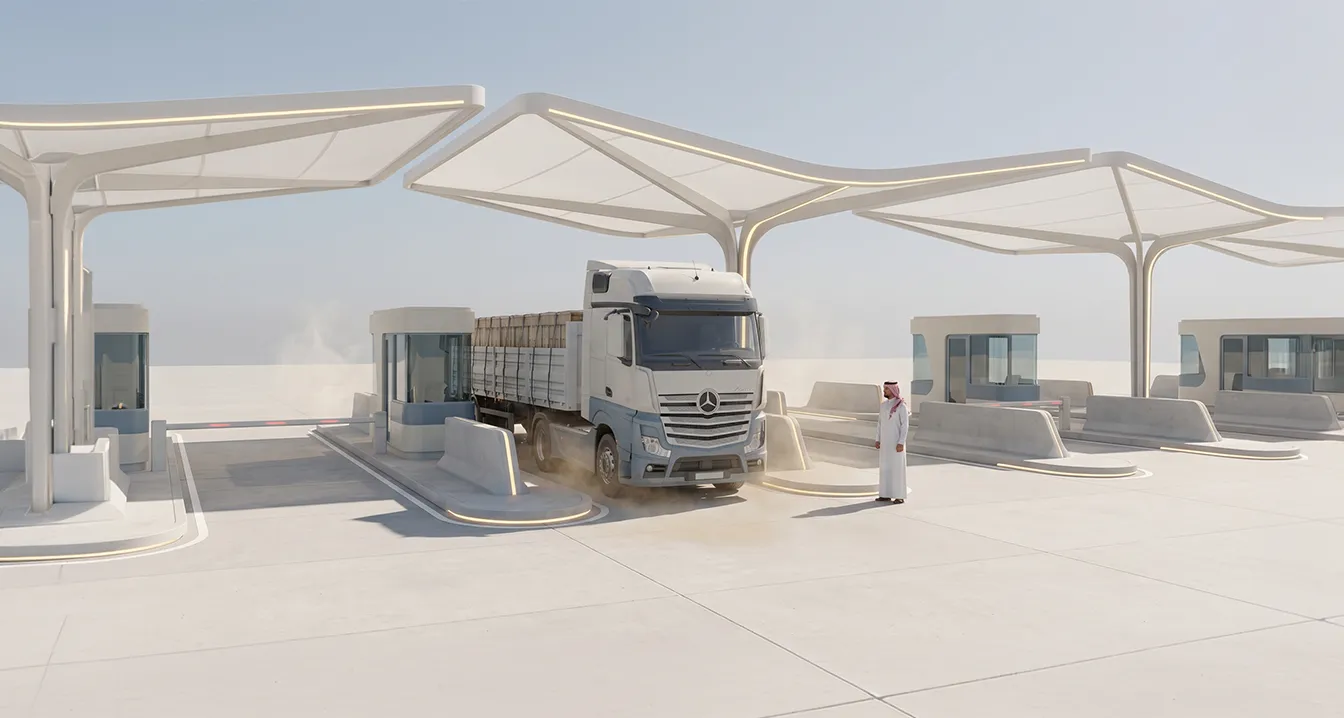
At checkpoints, wait times are often unpredictable. A vehicle might stop for half an hour, or it could be stuck for hours without moving. This sudden, prolonged stop often occurs under direct sunlight, which raises the tire's temperature and increases the internal pressure applied to it.
- Ports and loading yards:
Ports are among the harshest environments for tires. Concrete surfaces absorb and radiate heat, and loads are often at their maximum. Some trucks remain parked for a full day or more without any real movement.
- Customs yards and industrial zones:
In these areas, the ground may not be perfectly level, which doubles the pressure on one part of the tire over others and accelerates the development of wear or sidewall cracks.
The most prominent damage caused by prolonged parking:
When parking is prolonged under pressure and heat, tires begin to show signs that are not immediately obvious to the driver. This damage does not happen suddenly; it develops gradually as a result of accumulated static stress and harsh environmental conditions. Over time, these silent effects can turn into real problems that impact balance, safety, and even operating costs. Such damage includes:
- Flat spotting:
One of the most common types of damage resulting from long-term parking is known as flat spotting. This occurs when a tire remains in one position under a heavy load for an extended period.
- Temporary flat spotting:
It disappears after driving a short distance, but it is a warning sign.
- Permanent flat spotting:
It does not go away with driving, affects balance and comfort, and may require tire replacement.
- Increased internal pressure:
As air and asphalt temperatures rise, the air inside the tire expands. If the tire was already at the correct pressure, it could reach dangerous levels once you start driving again.
- Sidewall cracking:
Static stress and heat weaken the tire's sidewall, which is the most sensitive and critical area when damaged.
Traffic safety reports in the United States indicate that nearly 9% of heavy truck tire failures occur after long periods of inactivity, rather than during actual driving.
The effect of heat during parking:
Heat is a critical factor in this equation. In many of our regions, asphalt temperatures can exceed 60°C while the truck is stationary. This means the tire is exposed to constant heat without any cooling from rotation.
Studies indicate that asphalt temperatures can be 20 to 30 degrees Celsius higher than the ambient air temperature, making long periods of parking, especially in summer, one of the most dangerous scenarios for tires.
Air pressure: The invisible factor
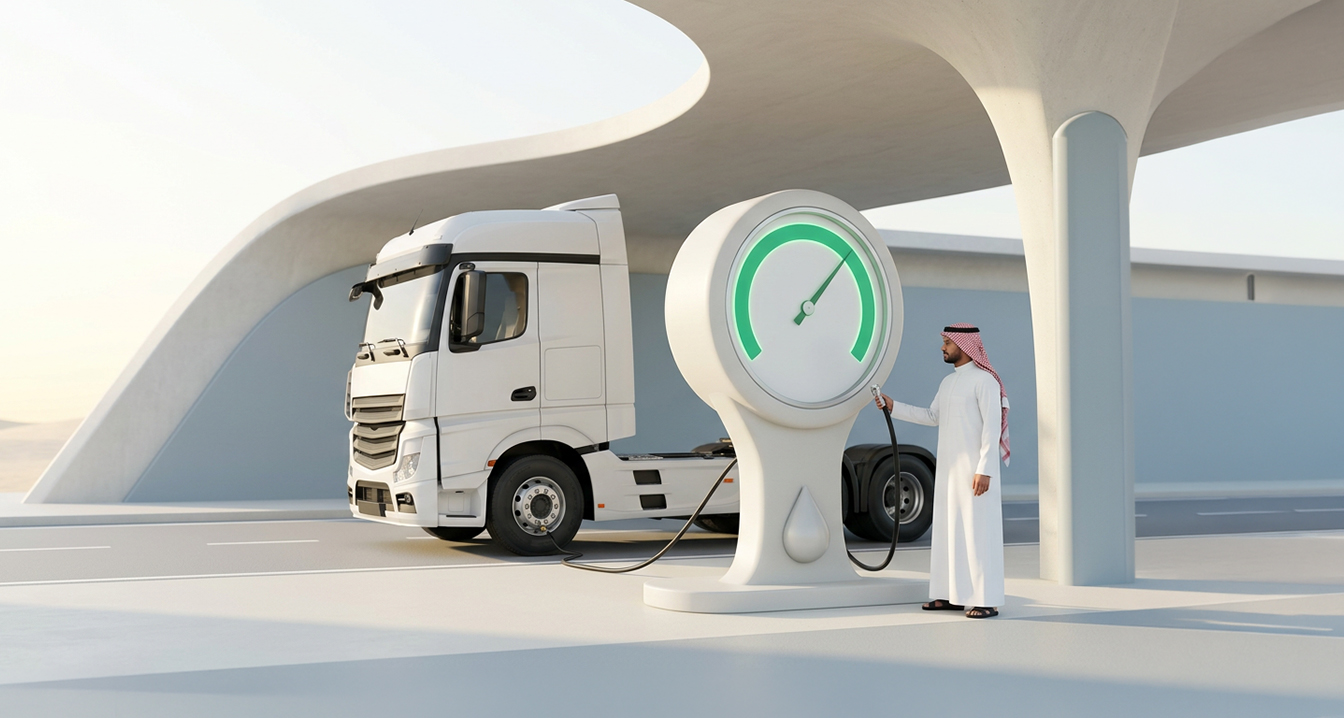
One of the most common mistakes is neglecting to check air pressure before or after long periods of parking. Some drivers believe that lowering the pressure is a smart solution, but this can be dangerous if not done according to precise technical recommendations.
General rule: Never adjust air pressure except in accordance with the tire and vehicle manufacturer's instructions. Increasing or decreasing pressure by just 10% can reduce tire life by up to 20%.
Practical steps to protect tires during long-term parking:

Now that we know the risks and potential damage, the most important part comes next: what can a driver practically do to protect their tires? Prevention here does not require complex tools, but rather simple awareness and regular steps before, during, and after parking. These small measures can make a big difference in tire lifespan and trip safety.
- Before parking:
- Check tire pressure and ensure it is within the recommended range.
- Try to choose a shaded area whenever possible.
- Ensure the load is evenly distributed across the axles.
- While parked:
- If possible, move the vehicle a short distance periodically to change the pressure point.
- Avoid parking on sharp edges or uneven surfaces.
- Visually inspect the tires for any bulging or cracking.
- After parking:
- Perform a thorough visual inspection of the tires.
- Drive slowly for the first 10–15 kilometers.
- Recheck tire pressure after getting back on the road.
The role of Tire Pressure Monitoring Systems (TPMS):
Tire pressure monitoring systems have become a true lifesaver, especially during long periods of inactivity. These systems alert the driver to any abnormal rise or drop in pressure before it becomes a real hazard.
European studies indicate that using TPMS reduces tire-related accidents by up to 25–30%.
Does the tire type make a difference?
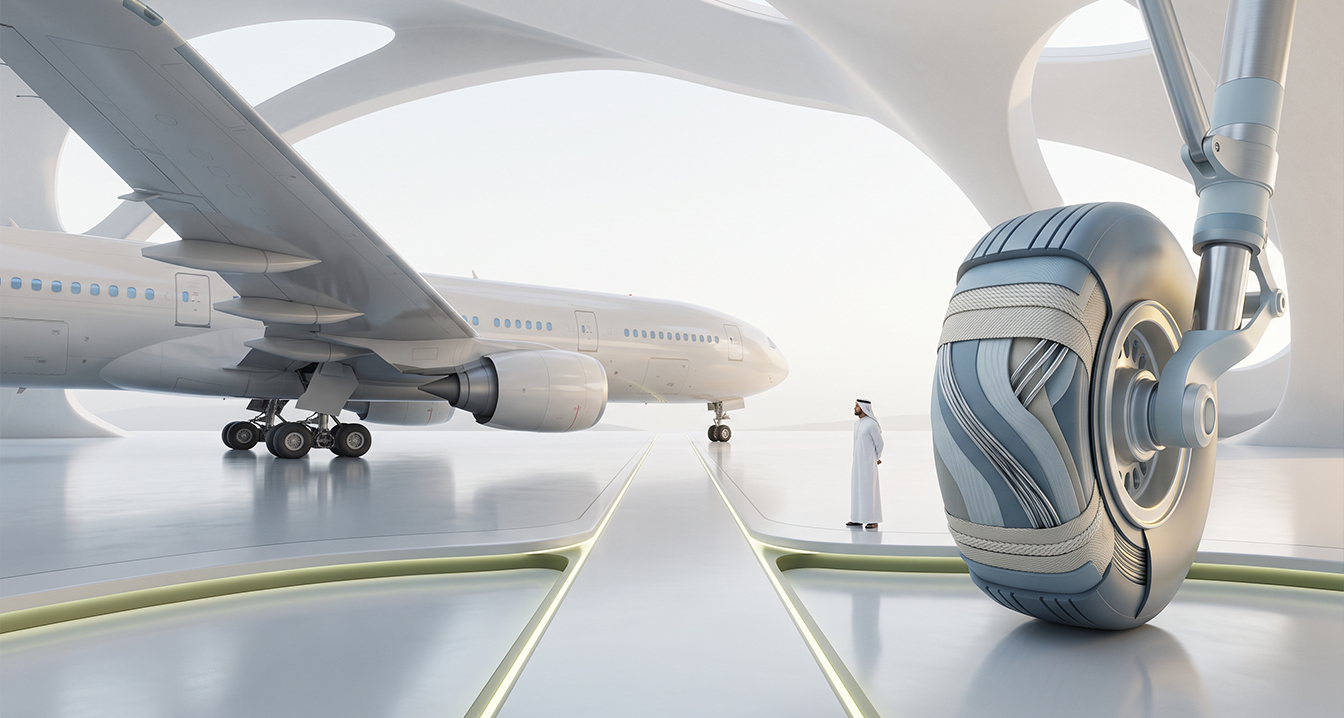
Yes, significantly. Not all tires are designed to withstand static pressure and high heat. High-quality tires feature:
- Reinforced sidewalls.
- Heat-resistant rubber compounds.
- Higher load-bearing capacity without deformation.
This is where Darbak tires stand out, as they are specifically engineered for demanding work environments, such as ports and checkpoints, where they endure prolonged pressure and high temperatures without compromising performance.
Why are Darbak tires a smart choice in these conditions?
Darbak tires are more than just tires for driving; they are a comprehensive safety solution. Thanks to their thoughtful design and advanced rubber compounds, they help to:
- Reduce the effects of static pressure during long periods of inactivity.
- Resistance to heat-induced cracking.
- Maintaining balance when resuming driving.
Choosing a reliable tire like Darbak means fewer unexpected breakdowns, long-term cost savings, and most importantly: protecting your life and the lives of those around you.
Common mistakes to avoid:
- Ignoring long-term parking as a risk factor.
- Returning to high speeds immediately after stopping.
- Neglecting to inspect tires after the vehicle has been parked.
- Using old or low-quality tires.
In conclusion...
Improper parking can be more dangerous than driving.
The vehicle may stop, but the tire never stops working. Pressure, heat, and weight all continue to affect it silently. A conscious driver understands that tire care isn't just for when you're on the road, but for every moment the vehicle is parked.
By choosing tires designed to withstand these conditions, such as Darbak tires, long-term parking shifts from a silent danger to a situation you can manage with confidence and safety.
The golden rule remains: if you protect your vehicle while driving, don't forget to protect your tires while parked.