Blog

Tips when changing tires to achieve optimal performance

Ahmed Nazem

December 17, 2024

Read time

Minutes to read

Tires play the most vital role in improving truck performance and provide many safety procedures for drivers. In one way or another, changing tires when they expire is extremely important for drivers themselves and for truck owners. Changing tires with new tires is more efficient, which improves many of the truck's features, such as speed of rotation and smooth driving, in addition to reducing the level of fuel consumption. In this article, we will talk about tips when changing tires in order to achieve the best performance on the roads in the Kingdom of Saudi Arabia.

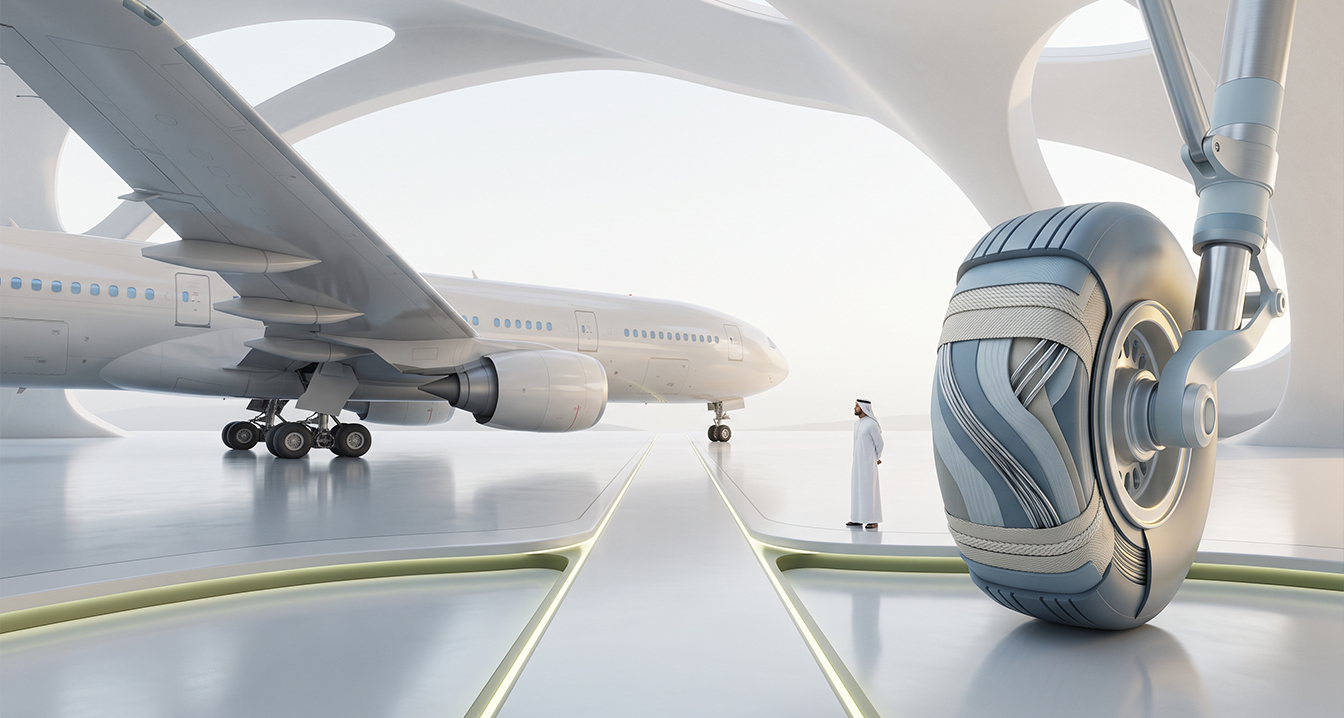
Internal tires consist of several elements. The outer layer is covered with synthetic composite rubber, which contains proportions of natural rubber, in addition to some reinforcing minerals to give the rubber a more cohesive texture, while the inner layer consists of thin metal mechanisms that are wrapped radially and longitudinal at other times according to the requirements of the manufactured tire. This layer ensures flexibility and endurance. Therefore, we are left with stability and stability, which is provided by the armament belt that enhances the tire's peripheral structure. As a result, tires made with such high accuracy can play a crucial role in performance trucks and vehicles on highways.

To understand the nature of the functioning of tires, we must understand the need for these filled rubber rings With airThis can be found by looking at the location of tires in trucks, heavy vehicles, cars of all kinds, transport vehicles, buses, military equipment, aircraft and many other types of industrial machines. All this need has forced the world of tire manufacturing to grow rapidly to meet the nature of the development of different vehicles while adapting to different environments. This has produced many types, including those used in summer and some used in winter, including those for rough roads, while other types are intended for flat roads or those intended for airports, a wide world of different tires And the variety, they all rotate to give rigid machines a life full of movement.

In keeping with the developments taking place in the world, the Kingdom of Saudi Arabia has started to keep pace with these developments rapidly, raising the level of need for unique and customized tires for this diverse environment. The star of Darbek Tire Company came out and quickly started developing and modifying to achieve the best models of strong tires that were designed specifically to match the Saudi environment. In addition, tires Your path It bears the fragrance of authenticity and heritage because it was created by Saudi hands that believe in work and diligence in order to achieve great success in the Kingdom of Saudi Arabia, the Arabian Gulf and then to the whole world.

The importance of choosing the right infidelity to achieve high performance

You can choose tires (tires) randomly, without regard to any of the signs we are going to talk about. You will definitely get tires (covers) that cannot last you for more than a year. This is inevitable because tires (tires) each have a field and working environment that they are made to travel in. Putting the wrong tire in the wrong place and the wrong environment will expose you to unexpected accidents and impair the performance of the truck in an unexpected way. Therefore, drivers should know the main factors that affect the decision to choose the right tire (cover) for their vehicles and trucks.

The basic ingredients of infidelity:

  • The tread.
  • side wall.
  • reinforcing belt.
  • composite rubber.

The main types of covers:

  • Summer covers.
  • Winter covers.
  • Four season covers.
  • Off-road tires.
  • Sports car covers.

In the presence of multiple types of tires (tires), the process of choosing a tire may seem difficult, but fortunately, it is possible to know the factors affecting tires (tires) and the environmental conditions of each of them, making it easier for drivers to know which tires (tires) are the most suitable for their trucks or vehicles. Certainly, Darbek Tire Company offers different types of tires, but with Different types However, they have several things in common: superior quality, extreme durability, high flexibility, and distinctive design. With these characteristics, Darbek tires excel to be the Saudi tires that achieve an achievement for Saudi Arabia in the field of tires that cannot be ignored.

Factors of choosing the right infidelity to achieve perfect performance

1. The right size and size

Knowing the tire size is an easy process that you can complete by reading the truck catalog and finding out the tire code (tire) assigned to your truck from the manufacturer.

2. Infidelity pregnancy index

Tires (tires) have maximum load limits of up to 5000kg. You can find out this information by looking at the official website of the tire manufacturer or by reading the labels that come on the tires (tires). Choosing tires that are unable to withstand the weights carried by the truck can lead to tire explosion and in some cases result in severe damage to the tread layer without explosion, but the risk remains so drivers should know these matters well in order to be careful and stay safe.

3. Maximum speed

Tires (tires) have a limit on the speed at which they can rotate while they are under the load of the truck. This speed is written on the side of the tire (the side of the tire) in the form of letters in English, so you should know the speed that your truck needs and therefore choose the tire (cover) that matches the speed of your truck to provide the best experience and get perfect performance on long roads, especially in long commercial transport lines that are usually reserved for trucks, which requires cruise control.

4. Anti-slip

Anti-slip and anti-lock systems (ABS) rely on certain characteristics in the tire tread (tire tread), which provide stability on asphalt even with the great tensile force caused by truck skidding. It is important for drivers to take into account the ability of selected tires to interact with anti-slip systems. This cannot be overlooked because failure of the anti-slip system to interact with tires will lead to terrible accidents.

5. Total pressure distribution

The design of the tread, or the so-called “pedal”, depends on several influential factors, the most important of which is fixing the tire on asphalt and eliminating solid and liquid obstacles to provide a sufficient degree of friction for the truck to travel steadily and smoothly.

Thus, we have learned about the factors affecting the selection of truck tires, giving us an overview of how tires (tires) work, as well as raising awareness of when to change tires before they wear out due to the high risk to safety. The American National Road Transport Association (ATA) conducted a study on damaged tires. The result was that damaged or inappropriate tires for the environment in which they operate are responsible for 20% of accidents related to trucks. Reports indicate that choosing the right tires can reduce fuel consumption by up to 10%, which means saving money With less time, better performance and a comfortable smooth ride with minimal maintenance.

The best times to change tires

The best times to change tires cannot be determined completely easily, but the matter can be better understood by understanding how tires (tires) work. It can simply be understood that they are consumables that depend on several factors in consumption, including the thickness of the tread, the quality of the outer rubber, the extent to which the tires maintain their natural shape... etc. It can be said that the right time to change tires is when all or most of the consumption factors are clear. It may be up to the standards and quality bodies in accordance with the laws of each country. Here we will mention the key factors to ensure that the tires are replaced with new ones.

Key factors to know the extent of tire damage

First: check the depth of the tread (the pattern or the sole)

Trucks are exposed to heavy loads for a long time and long distances, causing obvious wear on the tread (splinter), which is the opposite part of asphalt and the most consumed part of the tires. European safety standards recommend changing tires if the depth of the tread is less than 1.6 mm, while experts in this field recommend changing tires when the thickness of the tread is 3 mm, especially in large trucks with large high-tonnage because they need a greater level of safety and safety.

Practical advice: Go to inspection centers and use a depth gauge regularly, especially before long trips.

Second: monitoring the shelf life of tires

Over time, tires (tires) are worn out and the internal composite materials of the tires are consumed. Even if the exterior of the tire looks good, the life span plays an important role in improving truck performance and avoiding problems and severe damage. Most tire manufacturers recommend changing truck tires every five or seven years as a maximum, because rubber loses its effective properties over time, leading to a significant deterioration in tire efficiency.

Third: Know the early signs of damage

There are several visible signs that indicate tire wear, including the following: side cracks, abnormal vibration while driving, swollen areas or irregular wear on the tire tread. According to one study carried out by the company Bridgestone Driving on damaged tires has been shown to increase the risk of tire explosion by 70%.

The best way to change truck tires

Changing truck tires requires great care and good knowledge of how to perform the required operation due to their large size and heavy weight. Therefore, experts in industrial areas (Al-Banshari) can be relied upon to replace tires, but in individual cases, it is necessary to know the best way to change truck tires step by step.

Step 1: Secure the truck by parking on a level place and applying manual brakes and emergency brakes to ensure that the truck does not move during the operation.

Step 2: Lift the truck by using heavy lifting equipment for trucks (jack), which is powered by hydraulics and raises the side of the tire you want to remove or change at a good level, not a lot or a little height. What is important is that it is above ground level with a sufficient area to extract the old tire and put the new one.

Step 3: Remove the old tire, remove the nuts using a suitable torque wrench, or manually through the available tools, but it is preferable to loosen the nuts before lifting the truck (if there is no “drill” torque wrench)

Step 4: Installing the new frame. After removing and removing the old frame, install the new frame and fix the nuts equally by fixing them in an analog manner (i.e. the nut with the corresponding person and so on) in order to ensure that the frame is fixed securely.

Step 5: Adjust the internal air pressure. Make sure that the air is adjusted in accordance with the rest of the tires and in accordance with the recommendations of the tire manufacturer and the truck catalog.

These steps are sufficient to understand how to remove and replace a tire individually. It is recommended that specialists are better and safer, but may not always be accessible, so drivers should know the best way to change tires.

Additional tips to improve truck tire performance

  • Check air pressure

Tires that are not inflated properly consume more fuel and significantly raise damage levels, according to International Energy Agency (IEA), tires with less than ideal air pressure lead to annual losses of 3.5 billion liters of fuel worldwide.

  • Regular tire rotation

Recycling can be defined as changing the position of tires in analog or parallel, i.e. replacing the front tires with the rear and the right with the left and vice versa. Experts recommend that you rotate every 20,000 - 25,000 kilometers in order to get the best performance in driving on the roads, while reducing uneven wear and increasing the life of the tires.

  • Balance and balance

The balance between all tires prevents vibration while driving while significantly improving the truck's performance at high speeds, while the balance ensures wheel alignment, which significantly saves fuel consumption, as well as eccentric tire wear. Studies show that unbalanced tires can significantly reduce driving efficiency and increase tire consumption by up to 25% at times.

  • Choose tires that are suitable for the climatic environment

In very hot areas, or very cold snowy areas, it is necessary to use tires for each environment because the materials from which tires are made vary depending on the environment in which they are manufactured. Winter tires contain materials that cannot resist high temperatures and vice versa, in addition to other types intended for difficult terrains and rugged construction environments.

  • Choosing tires from reliable companies

Tire manufacturers are diverse and different, but for each region, there are companies that are the best in providing beneficial options for the environment in which they operate. Since we are from the Kingdom of Saudi Arabia, the options are wide, but the national choice exists exceptionally and offers competitive advantages. Darbek Tire Company offers a combination of the most superior truck tire styles with a real guarantee that can be used effectively. Since the environment in Saudi Arabia is very diverse between mountains, sands, flat lands, valleys and climate changes, tires that operate in Sakaka in winter cannot provide the same performance in Mecca due to its characteristics These areas vary greatly in temperature, but Darbek covers the Kingdom of Saudi Arabia from the north to Jizan in the south and from Jeddah in the west to Al-Khobar in the east. This means that there is an urgent need for diversity. This is what we do at Darbek. We have different types of summer, winter and multi-season tires, giving drivers a high space in choosing tires that are compatible with their regions and work environment. In each country, there are companies such as Darbek that provide high quality, so you should always deal with your country's people because they are the big family that embraces you from all sides.

Environmental considerations when changing truck tires

One of the major challenges faced by the whole world, and the Kingdom of Saudi Arabia respectively, is the problem of recycling consumables, including tires, which are a large surplus of modified rubber. These materials are rapidly flammable. Therefore, these large quantities of worn and worn tires should be disposed of in a safe manner in order to avoid fires in some warehouses or the illegal use of these tires. Many human rights organizations recommend some measures that reduce this environmental pollution through the following guidelines:

  1. RECYCLING: Drivers or tire replacement shops should ensure that damaged tires are delivered to rubber recycling centers. This step reduces the spread of worn rubber in an unregulated manner and prevents the possibility of using these materials in illegal ways that harm citizens and the public environment.
  1. Refurbished tires: There are many factories that significantly renew and maintain these tires. These factories are an economic and environmentally friendly option. These factories do not have to be located inside the country. Quantities of tires can be exported to countries that have such factories, providing economic support to the country as well as protecting the environment from damage caused by these hazardous materials.
  1. Supporting other industries: Rubber in tires is a material made up of many organic compounds. In order to avoid throwing it into the natural environment, it can be reanalyzed, raw materials extracted and new products produced from these raw materials, such as the manufacture of sports floors and products related to construction and construction. Recycling programs provide great opportunities to reduce pollution caused by the throwing of worn tires. Reports have indicated that recycling one ton of old tires reduces carbon emission by 1.5 tons compared to traditional methods of disposing of old tires.
  1. Reducing the environmental impact of road transport by trucking: Using high-quality tires significantly reduces fuel consumption, contributing significantly to reducing carbon emissions in the atmosphere. Studies at the World Resources Institute (WRI) show that improving tire efficiency can reduce road transport emissions by up to 12%.
  1. Supporting global environmental initiatives: Large companies in this field, or logistics fleet companies, can support old tire recycling programs, or participate in environmental initiatives organized by global and local environmental organizations, which all aim to reduce tire waste and improve sustainable practices in the public and private transport sector, in addition to educating individuals about the danger of burning worn tires and the danger of throwing them randomly, thus enhancing environmental security in the whole country.

Environmental considerations when changing truck tires or even car tires and other wheels are just as important as paying attention to safety and performance. Environmental safety is everyone's right and we have no right to compromise the environment and climate of our beloved country. By following laws and interacting with these tips and directives, we can all have a beautiful environment and a mild climate, in addition to opening a large investment space in the field of environmental improvement by establishing recycling plants, which enhances the country's economy and improves the possibility of developing industrial sectors.

Summary

Changing tires periodically and in the right way provides trucks with better performance on the roads, while it can be considered a real investment in safety and safety. The losses caused by neglecting to change tires are significant at the physical and spiritual levels. Hundreds of lives are lost due to the explosion of worn tires. Whether you operate a logistics fleet or a single truck, you are mandated to comply with the tips in this article in order to protect you and your logistics fleet financially and spiritually, while getting the perfect performance of your trucks on highways.

Always remember that tires are not just a means of transportation; they are essential for road safety and the sustainability of work in the public and private transport sector between cities and countries.

Other articles

Tips and solutions

التكنولوجيا الحديثة المستخدمة في مصنع دربك لصناعة الإطارات

حين تُصبح التقنية لغة الإطارات ثمة سؤال يطرحه كثير من الناس حين يسمعون باسم إطارات دربك أول مرة: ما الذي يجعل إطاراً سعودياً مختلفاً لهذه الدرجة عن إطار أوروبي أو ياباني تُصنع أمثاله منذ عقود؟ الإجابة لا تكمن في مجرد "النية الطيبة" أو الانتماء الوطني، بل في شيء أكثر صرامةً وأكثر قابليةً للقياس: إنها التكنولوجيا. الإطار في صورته النهائية التي تراها قطعة مطاطية سوداء تدور على الطريق هو في حقيقته نتاج علوم متشابكة ومعقدة: كيمياء المواد، وهندسة الهياكل، وفيزياء الحرارة، والأنظمة الرقمية للاختبار والتحقق، وحين تُقرّر دربك أن تدخل هذه المعادلة بهوية سعودية، فإنها لا تبدأ من الصفر، بل تبدأ من نقطة أهم: فهم ما تحتاجه البيئة السعودية تحديداً، ثم بناء التقنية اللازمة لإنتاج ما يُلبّي هذه الحاجة. من مرحلة اختيار المواد الأولى وتركيب المركّبات المطاطية، مروراً بتصميم الهياكل الداخلية وتقنيات الاختبار، وصولاً إلى خارطة الطريق نحو مصنع سعودي كامل بحلول عام 2030. الإطار من منظور علمي:كيف يتم صناعة إطارات الشاحنات والسيارات؟ قبل الحديث عن تقنيات دربك، لا بد من فهم ما يعنيه "صناعة الإطار" على المستوى العلمي، فالإطار ليس قطعة مطاطية بسيطة، بل هو نتاج معقد يجمع بين علوم المادة وعلوم الهندسة والفيزياء، ويعتبر خلاصة الجهد العلمي البشري، والذي يتمثل في صناعة التوافق بين المواد الطبيعية والمصنعة والفيزياء الميكانيكية، وكل هذا يتم باستخدام العلوم الهندسية التي توفر الأدوات التي يتم من خلالها تنفيذ الأفكار. خمسة عناصر رئيسية تتشابك لتُكوّن الإطار في شكله النهائي: المطاط بنوعيه الطبيعي والصناعي، والمركبات الكربونية التي تمنح المطاط متانته وصلابته، والأسلاك المعدنية التي تُشكّل العمود الفقري الداخلي، والألياف الصناعية التي تُضاف كطبقات داعمة، والمداس الذي يُحدد طريقة تفاعل الإطار مع الطريق وفهم كل عنصر من هذه العناصر هو الخطوة الأولى لفهم ما تفعله دربك في مصانعها بالضبط. المطاط — المادة الأم وعلم تطويعها المطاط الطبيعي وتحدياته في البيئة السعودية يُعدّ المطاط العنصر الأكثر حضوراً في بنية الإطار وأكثرها تأثيراً في أدائه على الطريق، يُستخرج المطاط الطبيعي من أشجار تُعرف علمياً بـ Hevea Brasiliensis، وتتميز بمرونة عالية غير متوفرة في كثير من المواد الأخرى، إذ إنها مادة قابلة للمط والتمدد من غير حدوث تشققات حتى تحت الضغط العالي، وهذا ما يجعلها المادة الجوهرية في صناعة الإطارات عالمياً. غير أن المطاط الطبيعي وحده لا يكفي في البيئة السعودية ذات الحرارة الشديدة، فالشمس التي تُحرق الأسفلت حتى يتجاوز سبعين درجة مئوية في شهور الصيف تضع المطاط أمام ضغوط حرارية هائلة تختبر حدوده الجزيئية وهنا يبرز دور التقنيات الحديثة التي اعتمدتها شركة دربك لصناعة الإطارات: تطوير مركّبات مطاطية مُحسَّنة تحتفظ بمزايا المطاط الطبيعي في المرونة والقدرة على الاستيعاب، مع إضافة عناصر تعزّز تحمّله الحراري. المطاط الصناعي: الضرورة التي أصبحت علماً نروي لك القصة التاريخية لظهور المطاط الصناعي: فقد قدّم الكيميائي الألماني فريتز هوفمان عام 1909 أول براءة اختراع للمطاط الصناعي المعروف بـ"البونا"، وهو خليط من البيوتاديين والصوديوم، ثم جاءت الحرب العالمية الثانية لتُعجّل بتطوير هذه الصناعة بشكل جذري، حين اضطرت الولايات المتحدة إلى إطلاق برنامج طارئ لتطوير المطاط الصناعي بعد انقطاع وصولها إلى مناطق المطاط الطبيعي، ومن ذلك البرنامج وُلد الستايرين-بوتادين (SBR) الذي أصبح الأساس في صناعة المطاط الصناعي حتى اليوم. اليوم ندمج بين نوعي المطاط في معادلات دقيقة تُراعي طبيعة كل منتج واستخدامه: مطاط طبيعي بمرونته العالية، ومطاط صناعي بخصائص كيميائية تُمكّن من ضبط درجة الصلابة والمقاومة الحرارية وفق متطلبات كل إطار على حدة. تقنية السيليكا والفلكنة: المحور التقني الأبرز في صناعة الإطارات الحديثة أحد أبرز التطورات التقنية التي تعتمد عليها شركة دربك في إنتاج مركّباتها المطاطية هو إدخال مادة السيليكا في الخليط المطاطي،هذه التقنية تُسهم في تحسين تماسك الإطارات على الأسطح الرطبة وتقليل مقاومة الدوران، وهما معياران بالغا الأثر على كل من السلامة واقتصاد الوقود. وإلى جانب السيليكا، تعتمد عملية صناعة الإطارات على عملية الفلكنة، وهي عملية "إضافة الكبريت إلى المطاط ومن ثم تسخينه"، مما يمنح المطاط قوة عالية ومرونة شديدة في آنٍ واحد وتُستخدم هذه العملية بشكل خاص مع مطاط البولي إيزوبرين ومطاط الستايرين-بوتادين، وهما من أكثر أنواع المطاط الصناعي كفاءةً في مقاومة الحرارة العالية. هذا التطوّر التقني في المركّبات المطاطية ليس ترفاً في الهندسة؛ إنه استجابة مباشرة لمتطلبات الطريق السعودي الذي يضع الإطار في مواجهة مباشرة مع حرارة تفوق ما صُمّمت له معظم الإطارات التقليدية. الكربون الأسود — المادة التي حوّلت الإطارات من الإطارات البيضاء إلى العصر الأسود واحدة من أكثر التفاصيل طرافةً أن الإطارات في مطلع القرن العشرين كانت بيضاء اللون! إذ لم تكن تحتوي على الكربون الأسود بعد، مما جعل هذه الإطارات تتلف بسرعة وليس لديها قدرة على تحمل الاستعمال المستمر وفي عام 1910 اكتشف العلماء أن إضافة هذه المادة إلى المطاط "يعطيه قابلية عالية على الشد والضغط مما يجعله أكثر متانة، فتحوّل اللون إلى أسود وتحوّلت الصناعة معه إلى مستوى جديد من الحداثة والمواد المساعدة لتحسين أداء الإطارات. دور الكربون الأسود في صناعة الإطارات يؤدي الكربون الأسود في إطارات دربك ثلاثة أدوار متكاملة: أولها تحسين المتانة، إذ تُضيف مركبات الكربون صلابةً إلى المطاط تُقلّل من احتمالية التمزق والتآكل، وثانيها مقاومة الصدمات، حيث يخفف الكربون الأسود من تأثر المطاط بالصدمات القوية، ولهذا يُستخدم بكثرة في إطارات الطرق الوعرة وثالثها تحسين التوصيل الحراري، إذ يعمل الكربون كمادة مبدّدة للحرارة بطبيعتها،مما يحسن من قدرة الإطار على تشتيت الحرارة الناتجة عن الاحتكاك وهو المعيار الأكثر أهمية في السياق السعودي بامتياز. الكربون المستعاد: البُعد البيئي للتقنيات الحديثة والتكنولوجيا تتابع دربك في عملها التطورات الأحدث في هذا المجال، ومن أبرزها الكربون الأسود المستعاد (rCB)، الذي يُنتج من خلال إعادة تدوير الإطارات المستعملة عبر تقنيات التحلل الحراري، وتُشير المدونة إلى أن هذا النوع "يُساهم في تقليل انبعاثات ثنائي أكسيد الكربون بنسبة تصل إلى 2% مقارنة بإنتاج الكربون الأسود التقليدي، مما يجعله خياراً أكثر توافقاً مع توجهات الاستدامة البيئية التي تلتزم بها دربك. الأسلاك المعدنية — العمود الفقري الصلب للإطارات الهيكل الذي لا يراه أحد في الإطارات إذا كان المطاط هو الجلد الخارجي للإطار، فإن الأسلاك المعدنية هي هيكله العظمي، وهذه الأسلاك تعمل على زيادة قدرة الإطارات على تحمل الضغط القادم من القاطرة أو المقطورة وحتى الشاحنة، ثم تتقاسم الدور مع المداس لتوزيع الضغط الكلي على مستوى سطح الإطار وبكلمة أخرى: الأسلاك المعدنية هي التي تمنع الإطار من الانهيار تحت وطأة الأحمال الضخمة. والأسلاك في إطارات الشاحنات الثقيلة -وهي القطاع الذي بدأت به شركة دربك بشكل أساسي- ليست مجرد أسلاك مستقيمة مُثبّتة عشوائياً، بل هي عبارة عن شبكات معقدة ومتداخلة بعضها منحازة والبعض الآخر شعاعي الاتجاه، وهذا التنوع في طريقة لفّها وتداخلها هو ما يُتيح لها تغطية التنوع الموجود في استخدامات الإطارات المختلفة. ثلاثة أنواع من الأسلاك في خدمة ثلاثة استخدامات مختلفة هناك ثلاثة أنواع من الأسلاك الصلبة في هيكل الإطارات: أسلاك الفولاذ التقليدية: وهي مكوّنة من سبائك الفولاذ الصلب، وتُستخدم في معظم الإطارات المخصصة للشاحنات والسيارات، وتمنح قوة عالية ومقاومة للتآكل. أسلاك الفولاذ المعالجة حرارياً: حيث تُسخَّن السبائك الفولاذية المعززة إلى درجات حرارة عالية بغرض زيادة مرونتها وقابليتها على التحمل، ويتركّز استخدام هذا النوع في الإطارات التي تتطلب أداءً عالياً في الظروف القاسية. الأسلاك المعدنية المغلّفة: وهي أسلاك فولاذية مُضاف إليها غلاف من مادة معدنية أخرى كالنحاس أو الزنك، وتمتلك قدرة أعلى على مقاومة التآكل والتلف، مما يوفر حمايةً كافيةً للأسلاك الفولاذية ويعطي الإطار عمراً أطول مقارنةً بغيره من الإطارات العادية. اختيار دربك للنوع المناسب من هذه الأسلاك وفق طبيعة كل منتج — شاحنة ثقيلة، أو معدات بناء، أو حافلات نقل عام — هو في حدّ ذاته قرار هندسي يستند إلى حسابات دقيقة في توزيع الأحمال والمقاومة الميكانيكية. "شركة دربك تختار الأفضل للطرقات السعودية" الألياف الصناعية في الإطارات:طبقات الدعم الخفية نسيج الإطار الداخلي الألياف الصناعية هي عنصر آخر لا يراه أحد لكنه يُحدد كثيراً مما يشعر به السائق، تُعرّف بأنها: ألياف مصنوعة من مواد معالجة كيميائياً مما يجعلها ذات خصائص فيزيائية وكيميائية مميزة، وتُضاف هذه الألياف إلى الإطارات كطبقات ساندة توفر دعماً جيداً للطبقات الداخلية من الإطار، والتي تُعرف باسم نسيج الإطار (Tire Cord Fabric)، مما يُعطي الإطار القدرة على الحفاظ على هيكله الداخلي وتحمل الصدمات بقوة بدون تفكك أو تلف. من النايلون إلى الكيفلار نتتبع تطور هذه الألياف عبر الزمن: ففي الخمسينيات أُدخل النايلون وأرسى الأسس الثورية في عالم صناعة الإطارات ثم في السبعينيات ظهرت ألياف الأراميد (Kevlar) بوصفها مزيجاً مثالياً بين المتانة والمرونة وخفة الوزن، فأصبحت الخيار الأكثر شيوعاً في صناعة إطارات الأداء العالي واليوم، تواكب شركة دربك التطورات الأحدث في هذا المجال، ومنها مركبات الألياف المستمرة التي وفّرت نسبة قوة إلى وزن استثنائية ومتانة معززة مقارنةً بالألياف المركبة التقليدية. المداس — حيث تلتقي الهندسة بالطريق الطبقة التي تتكلم مع الأرض المداس هو الجزء الوحيد من الإطار الذي يلمس الطريق فعلياً في كل لحظة من لحظات القيادة، ويعرف بأنه الطبقة الخارجية العلوية للإطار، وتُصنع عادةً من خليط مطاطي متراكب يوفر متانةً وصلابة، مع تعزيزه بمواد مضافة لتحسين مقاومته للتآكل والتشقق والتلف، أما الأخاديد والقنوات الموجودة في المداس فهي تصميم هندسي مدروس يُحدد طريقة تفاعل الإطار مع سطح الطريق. أربعة أدوار تؤديها نقشة دربك هناك أربعة أدوار محورية يؤديها المداس في كل إطار من إطارات دربك: التماسك على الطرقات: فالمداس هو: الوسيط الرئيسي بين الطريق والشاحنات، وبذلك يمكن اعتباره المسؤول عن ثبات الشاحنة على مسارها أثناء القيادة، وهذا الأمر يتطلب توافقاً بين بيئة الطريق وتصميم الأخاديد في سطح المداس. توزيع الضغط الكلي: إذ يساعد تصميم المداس على توزيع الضغط الناتج عن الحمولة الكلية للشاحنة، وتوزيعه على السطح المقابل للأرض، مما يعطي الإطارات أفضل وضعية تحت الضغط الكبير، من دون حصول انفجار مفاجئ وسط الرحلة على الطرقات السريعة. مقاومة التآكل: وهو الجزء الذي يتعرض لأكبر قدر من الاحتكاك مع الأرض، مما يعني أنه الجزء الذي يُحدد مدى سرعة استهلاك الإطار، لذلك تعمل دربك على تعزيز قوة ومتانة طبقة المداس حتى تكون أطول عمراً وأكثر كفاءة. تقليل مخاطر الانزلاق: فـ وجود الأخاديد في المداس يُعزز من قدرة المداس على تصريف المياه والوسائط الأخرى، مما يُجنّب الشاحنة الانزلاق بسبب قلة مساحة الاحتكاك بالأرض. تصميم النقشة وفق الطريق المداس لا ننظر إليه كعنصر واحد، بل كنظام قابل للتخصيص وفق طبيعة الاستخدام وكما يُوضّح تحليل دربك للفرق بين إطارات الطريق السريع وإطارات المناطق الوعرة في مقالات سابقة، فإن الاختلاف بين نوعي الإطارات يبدأ من تصميم النقشة ذاتها: في إطارات الطريق السريع، تتميّز النقشة بـ خطوط متوازية لتصريف المياه وتقليل الاحتكاك مع الأسفلت وتقليل الضوضاء والاهتزاز، وتُتيح هذه الهندسة الدقيقة للإطار أن يُحقق ثباتاً عالياً عند السرعات المرتفعة ومسافة فرملة أقصر على الأسفلت وتجربة قيادة أكثر سلاسةً وهدوءاً. أما في إطارات المناطق الوعرة، فتتحوّل النقشة إلى كتل مطاطية كبيرة ومتباعدة وفراغات واسعة لمنع تراكم الطين، مع جدران جانبية أكثر سماكةً تحمي الإطار من التمزق أو القطع عند الاحتكاك بالصخور أو الحواف الحادة وتُؤكد الشركة أن اختباراتها الداخلية أظهرت تحسّن الأداء والثبات بنسبة تصل إلى 15% عند اختيار الإطار المناسب لكل طريق. ثلاثة أعمدة لجودة الإطارات — الركائز التقنية في دربك لا نكتفي بالحديث عن المواد الخام، بل نحدد لك ثلاثة ركائز تقنية تُشكّل عمود الجودة في كل إطار يتم انتاجه: الركيزة الأولى: تقوية الإطارات وهي عملية هندسية هدفها:ضمان أداء أفضل وأمان أعلى، مع زيادة التحمل والثبات وتحسين عمر الإطار وكفاءته على الطرق، وتُحقق دربك هذه التقوية عبر ثلاثة مستويات: زيادة التحمل والمتانة لمواجهة الأحمال الثقيلة والطرق الوعرة، وتحسين الأداء والسلامة بتقليل مخاطر الانفجار أو التآكل السريع، وتوفير مواصفات مناسبة للظروف الصعبة كالشاحنات والحافلات والمركبات المستخدمة على الطرق الصحراوية والصعبة. الركيزة الثانية: التوازن المنتظم لا يكفي أن يكون الإطار متيناً، بل يجب أن يكون متوازناً، ويصف الموقع الرسمي لدربك هذه الركيزة بأنها تُحافظ على ثبات الإطارات وتُقلّل الاهتزازات، ما يجعل القيادة أكثر سلاسةً وأماناً، ويُحسّن أداء الإطار وطول عمره الافتراضي، ونتائجها ملموسة في ثلاثة اتجاهات: قيادة سلسة ومريحة تُقلّل الاهتزازات والارتجاج، واقتصادية وطويلة العمر تحتاج إلى استبدال أقل مما يُقلّل التكاليف على المدى الطويل، وكفاءة وقود مُحسَّنة تُقلّل مقاومة الإطارات وتزيد كفاءة استهلاك الوقود. الركيزة الثالثة: الخلط والمعالجة وهي المرحلة التي تُحدد جودة المطاط ذاته كمادة أولية قبل أن يُشكَّل إطاراً، تضمن هذه العملية إنتاج مطاط عالي الجودة، مع توزيع متساوٍ للمكونات لتعزيز قوة الإطار ومرونته، وتحسين أداء الإطار في جميع الظروف. ونتائجها الثلاث: جودة مطاط مُحسَّنة من توزيع مثالي للمكونات يُنتج مطاطاً أقوى وأكثر مرونة، ومتانة أطول يُقلّل من العيوب الداخلية ويُحافظ على بنية الإطار لفترة أطول، وأداء ثابت يُحافظ على خصائص الإطار في درجات الحرارة المختلفة والطرق الصعبة. منظومة الاختبار — خمسون معياراً لا يُساوم عليها نظام الاختبار قبل الإطلاق لا تُطلق دربك أي منتج للسوق قبل أن يجتاز ما لا يقل عن خمسين معياراً دولياً للجودة، هذا الرقم الذي يُعلنه الموقع الرسمي للشركة ليس مجرد تسويق، بل هو إعلان عن منهجية عمل، فاجتياز خمسين معياراً يعني أن كل إطار يمر بمنظومة اختبارات تُقيّم كل خاصية من خصائصه في ظروف محاكَاة لمختلف بيئات التشغيل. تشمل هذه الاختبارات مقاييس دقيقة للتحمل الحراري عند درجات حرارة قصوى، ومعايير مقاومة التآكل على مختلف أنواع الأسطح، واختبارات الفرملة والثبات عند سرعات مختلفة، وتقييمات لمقاومة الانفجار تحت الضغط القصوى. وقد كان اجتياز هذه المنظومة الكاملة هو ما مهّد الطريق أمام دربك للحصول على علامة الجودة السعودية من الهيئة السعودية للمواصفات والمقاييس. الذكاء الاصطناعي في الاختبار من أبرز التطورات التقنية الحديثة في الصناعة، استخدام تقنيات المحاكاة بالذكاء الاصطناعي، حيث تعمل الشركات المصنعة للإطارات على توفير تقنيات محاكاة بالذكاء الاصطناعي تُعزز من تجارب تصاميم الإطارات، مما يسمح بتوفير نماذج واختبارها افتراضياً قبل صناعتها على أرض الواقع هذا النهج يُساهم في تعزيز الاقتصاد في سوق صناعة الإطارات ويُقلّل من المطاط المهدور، وتقليل التكاليف العامة للاختبارات. واستخدام الذكاء الاصطناعي في اختبار الإطارات الافتراضي يمثّل تحولاً جوهرياً في منهجية التطوير: بدلاً من الاعتماد الكامل على النماذج الفيزيائية المكلفة والمستهلكة للوقت، يُمكن اليوم محاكاة مئات السيناريوهات افتراضياً واختيار أفضلها قبل الانتقال إلى النموذج الفيزيائي، مما يُسرّع دورة التطوير ويرفع دقة النتائج. الإطارات الذكية والمستشعرات تقنية Cyber Tire التي تتضمن تعزيز طبقة المداس بمستشعرات قادرة على التواصل مع أنظمة المركبات مثل ABS والتحكم بالثبات، مما يُساهم في معرفة الحالة العامة للإطار، ومتى يعتبر الإطار متآكلاً وغير قابل للاستعمال هذه التقنية ليست مجرد اختراع مستقبلي، بل هي توجه يرصده فريق دربك الهندسي كجزء من خارطة الطريق التقنية للصناعة. سلسلة التوريد العالمية — أكثر من خمس وعشرين شريكاً نموذج التكامل لا الانعزال أحد أبرز القرارات الاستراتيجية التي اتخذتها دربك في بناء نموذج عملها التقني هو أنها لم تسعَ إلى صنع كل شيء بنفسها، بل بَنتْ شراكات مع أكثر من خمس وعشرين جهة تصنيع ومزوّد معتمد حول العالم، وهذا النهج يعني أن دربك تُتقن دور المطوّر والمُصمّم والمحكّم، بينما تُسند عملية التصنيع المادي إلى شركاء يمتلكون خبرة عميقة وبنية تحتية متطورة. هذا النموذج ليس استسلاماً لغياب المصنع الخاص، بل هو في الواقع أحد أكثر الاستراتيجيات الهندسية نضجاً في الصناعات القائمة على المعرفة، فالقيمة الحقيقية لا تكمن دائماً في امتلاك الآلة، بل في امتلاك المعادلة: المواصفات الدقيقة، ومعايير الجودة الصارمة، وخبرة الاختبار والتحقق التي تضمن خروج المنتج بالمستوى المطلوب بصرف النظر عن مكان تصنيعه. فريق هندسي دولي يعمل في دربك فريق هندسي مكوّن من أكثر من سبعة خبراء دوليين في تطوير وتصميم أحدث تقنيات الإطارات، وهؤلاء الخبراء هم الجسر الذي يصل المعرفة التقنية العالمية بالمتطلبات المحلية الخاصة بالسوق السعودي، دورهم لا يقتصر على الإشراف على التصنيع، بل يمتد ليشمل تطوير المواصفات الهندسية لكل طراز، وتحليل نتائج الاختبارات الميدانية، وترجمة احتياجات العميل السعودي إلى معادلات فيزيائية وكيميائية قابلة للتطبيق. التكنولوجيا وفق الاستخدام — الإطار الصحيح للطريق الصحيح مبدأ التخصيص الدقيق ما يُميّز مقاربة دربك التقنية عن كثير من المنافسين هو أنها لا تُؤمن بـ"الإطار الشامل الذي يُناسب الجميع" بدلاً من ذلك، تُطبّق مبدأ التخصيص الدقيق: لكل بيئة تشغيلية إطارها الخاص بمواصفاته الخاصة. تُؤكّد دربك هذا التوجه بوضوح: المستقبل في عالم كفرات الشاحنات في المملكة يتجه نحو التخصص الدقيق؛ لن يكون هناك بعد اليوم مفهوم إطار واحد يناسب الجميع بشكل فعال، وهذا ما يُترجمه فريق الشركة إلى واقع عملي: إطارات مُصمَّمة لشاحنات النقل السريع على الطرق البرية الطويلة تختلف كيميائياً وهندسياً عن إطارات المحاجر والمناطق الوعرة، وكلاهما يختلفان عن إطارات العمل الحضري في المدن. تقنية توزيع الوزن الذكي من التقنيات التي تُبرزها دربك في وصف إطاراتها، تقنية توزيع الوزن الذكي في المداس، حيث يتم توزيع الضغط بما يُقلّل من التآكل غير المنتظم، ما يزيد من كفاءة الإطار ويُعزز استقراره عند التوقف والانطلاق المتكرر، وتُبرز الشركة هذه التقنية بشكل خاص في إطار "دعسة ثبات" المصمّم للرحلات الحضرية الطويلة. المصنع السعودي 2030 — رؤية تبحث عن أرض من الشراكة الدولية إلى التصنيع المحلي يمثّل مصنع دربك المخطط له بحلول عام 2030 التحوّل الأكبر في المسيرة التقنية للشركة: الانتقال من نموذج التطوير والتسويق إلى نموذج التصنيع الكامل على الأرض السعودية. حين يصبح لدربك مصنع على الأرض السعودية، ستتغير الكثير من المعادلات: ستُصبح دورة التطوير أسرع، إذ لن يكون هناك وسيط جغرافي بين اللحظة التي يُقرّر فيها الفريق الهندسي تعديل مواصفة ما واللحظة التي يُنتج فيها النموذج الجديد فعلياً،وستُصبح قدرة التخصيص أعمق، لأن المصنع المحلي يسمح بضبط العمليات الإنتاجية بدقة أكبر وفق متطلبات السوق المحلي، كذلك ستُصبح سلسلة التوريد أكثر استقراراً، إذ لن تتأثر الأسعار والتوافر بتقلبات الشحن الدولي وبؤر الضغط العالمية. خلق كفاءات وطنية الجانب الذي تُبرزه دربك بوضوح في خطة المصنع هو أنه ليس مجرد مشروع اقتصادي، بل هو مشروع بناء كفاءات وطنية، فالمصنع سيخلق فرص عمل جديدة للكفاءات الوطنية، وسيُشكّل بيئة تدريب عملية لمهندسين سعوديين على تقنيات صناعة الإطارات من داخل المصنع لا من خلف الشاشات. هذا البُعد في التوطين لا يُكمّل فقط رؤية المملكة 2030 في توطين الصناعات الاستراتيجية، بل يُرسّخ المعرفة التقنية داخل المجتمع السعودي، وهي خطوة أبعد مدىً وأعمق أثراً من مجرد خلق فرص عمل. خاتمة: التقنية ليست غاية بل وسيلة حين تجمع كل هذه العناصر معاً — خلط المطاط وفلكنته، والكربون الأسود بنوعيه التقليدي والمستعاد، والأسلاك المعدنية بأنواعها الثلاثة، والألياف الصناعية من النايلون إلى الكيفلار، وتصميم المداس وفق طبيعة الطريق، ومنظومة الاختبار بمعاييرها الخمسين، وفريق الخبراء الدوليين والشراكات العالمية — تتضح الصورة: دربك ليست شركة تبيع إطارات، بل شركة تُنتج حلولاً هندسية مُخصَّصة لطرق بعينها وبيئات بعينها. التقنية في دربك لا تُوجد لذاتها، بل توجد لخدمة غاية محددة: أن يصل السائق السعودي إلى وجهته بأمان، وأن يجد مدير الأسطول اللوجستي في إطار دربك شريكاً لا يخذله وسط الصحراء أو في قلب منحنيات الجنوب. والأهم من كل ما سبق أن هذه التقنية لا تزال في مرحلة البناء، لا في مرحلة الاكتمال. فمع المصنع القادم بحلول 2030، ومع متابعة الشركة لكل تطور في علوم المطاط والكربون والألياف والذكاء الاصطناعي، فإن قصة دربك التقنية لم تُكتب فصولها الأكثر إثارةً بعد....

Ahmed Nazem

May 10, 2026