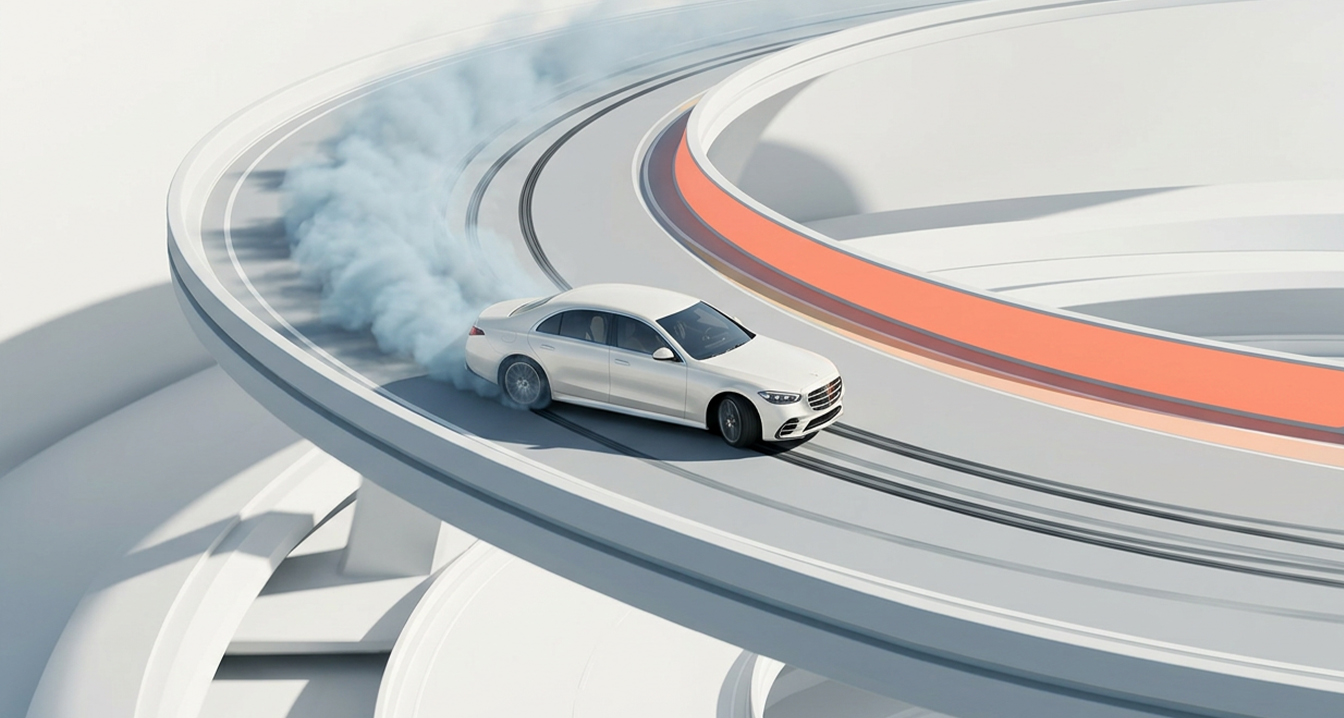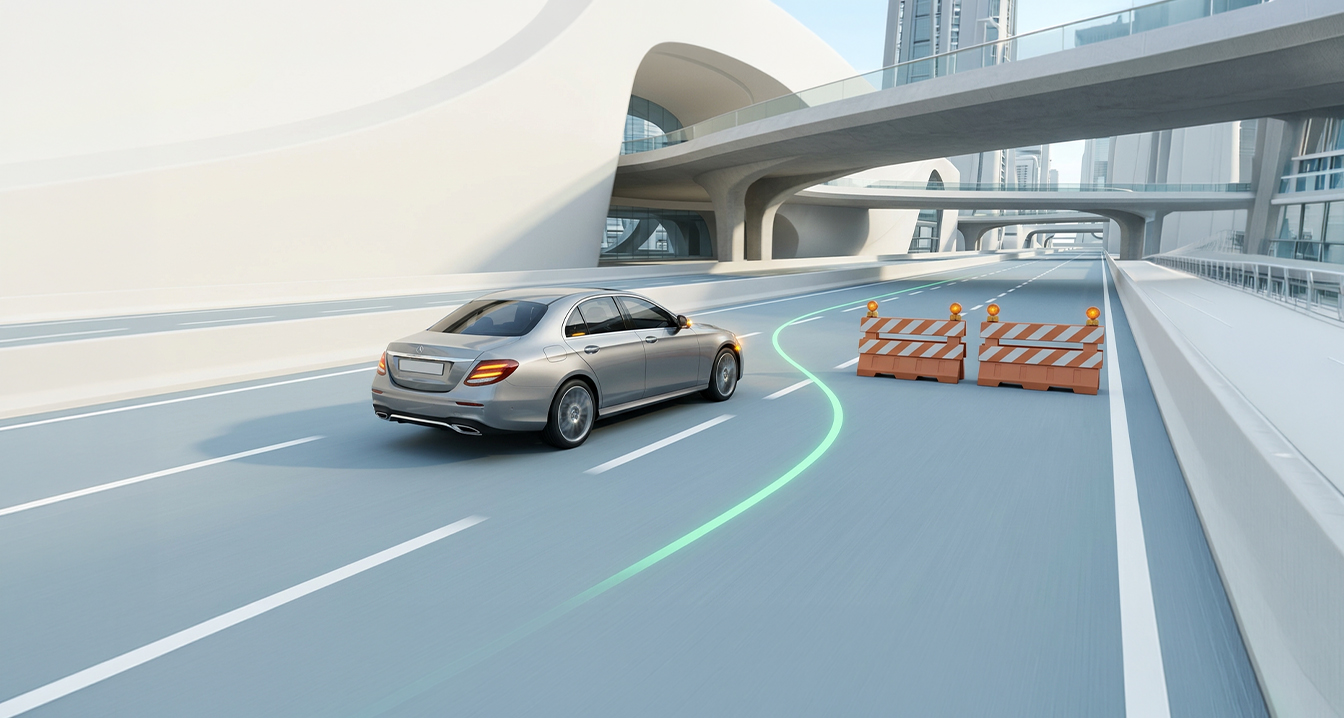
Did you know that your car travels a significant distance before you even touch the brakes? This is called perception distance, the critical time gap between spotting a hazard and deciding to react.
In this article, we uncover everything you need to know about perception distance: its scientific definition, the factors that influence it, its direct relationship with your vehicle's tires, and how to calculate it to effectively reduce the risk of accidents. If you think your reaction is instantaneous, get ready to discover the truth that could save your life.
"Perception distance is the distance your car travels before you hit the brakes, and it is the critical time gap that determines your fate in sudden situations."
What is perception distance?
Perception distance is the distance a vehicle travels from the moment the driver's eyes detect a hazard—such as the brake lights of the car ahead or a sudden obstacle—until the moment the brain processes this danger and decides to respond.
In other words, it is the distance covered during human perception time, which is the time required to process visual information and make a decision before moving your foot to the brake pedal.
According to traffic safety references, the average perception time for an alert driver is estimated at about 1.75 seconds under ideal conditions. While this number may seem small, it translates into a massive distance at high speeds.
For example, at 88 km/h, a vehicle travels about 43 meters just to perceive a hazard, before the driver even begins to move to brake.
It is worth noting that perception distance is different from "Reaction distance", as while the former refers to the distance traveled while perceiving the hazard and making a decision, the latter represents the distance traveled while moving your foot from the gas pedal to the brake pedal.
"The average perception time for an alert driver is only 1.75 seconds, but it turns into a full 43 meters at 88 km/h. Did you know your car travels all that distance before your foot even moves toward the brakes?"
Reaction time: A variable reality, not a fixed number
A common mistake in traffic accident analysis is the belief that reaction time is a fixed 1.75 seconds in all cases. Research has shown that impulse reaction time varies significantly depending on the specific accident scenario. Every accident has its own circumstances that dictate how and when a driver responds, making the use of a single fixed number for all cases scientifically inaccurate.
The primary reason for this variation is that events differ in their starting points. Some situations begin with a clear, early warning signal, while others start suddenly without any prior notice. This difference in the starting point necessarily means a difference in the moment the driver begins to process the information and respond to it.
Events also differ in their endpoints—the moment the reaction is supposed to be completed. This end point may be clear and defined in some scenarios, while being ambiguous or gradual in others, which affects how reaction time is measured and interpreted.
Furthermore, no two accident scenarios are alike. Each has its own unique characteristics in terms of speed, distance, lighting, road conditions, type of obstacle, and the behavior of other parties. All these factors make it impossible to reduce reaction time to a single, uniform number that applies to every situation.
Human reactions themselves vary greatly in terms of information processing speed, alertness, experience, age, and physical and mental state. This human diversity means that reaction time cannot be reduced to a specific duration; rather, it is distributed across a wide range of values that differ from person to person and situation to situation.
Why is perception distance an important element in traffic safety?
The importance of perception distance lies in it being the first and most influential link in the emergency response chain. If a driver fails to perceive a hazard quickly enough, all subsequent actions, no matter how effective, will be insufficient to avoid a collision.
Studies indicate that more than 60% of traffic accidents could be avoided if drivers were able to perceive hazards early and receive warnings in a timely manner.
Furthermore, perception distance directly impacts total stopping distance. Stopping distance is not just braking distance; it is the sum of three consecutive elements: perception distance + reaction distance + braking distance. This means that any delay in perception, even for a fraction of a second, translates into extra meters that could be the difference between a safe stop and a collision.
From another perspective, perception distance is a true measure of a driver's ability to interact with a changing road environment. A driver who perceives hazards early has a greater margin to maneuver and make the right decision, while a driver who is slow to perceive them finds themselves in a tight spot with limited options.
"More than 60% of traffic accidents could be avoided if drivers perceived danger early."
Factors Affecting Perception Distance
Perception distance is directly influenced by a set of factors that can either lengthen or shorten a driver's response time, most notably:
- Human Factors
Perception time is affected by numerous factors related to the driver, most importantly: fatigue and exhaustion, which significantly slow down visual information processing. Consuming alcohol or certain sedative medications increases perception time to dangerous levels. Even being distracted by a phone or chatting with passengers can double perception time, as the brain cannot efficiently process multiple tasks in critical situations.
- Environmental Factors
Road and weather conditions significantly affect perception distance, as visibility decreases and perception time increases at night or during fog and rain.
- Tire condition
There is a close relationship between perception distance and vehicle tires. While tires do not affect human perception speed, they directly impact the next part of the equation: braking distance.
Worn or improperly inflated tires increase braking distance to the point where the effective perception distance—the total distance available for a safe stop—becomes insufficient.
In other words, every extra meter of braking distance caused by poor tires shrinks the margin provided by good perception distance.
"A worn tire doesn't slow your perception, but it swallows the meters your good perception distance provided. Every extra meter in braking is a meter deducted from your safety."
Age and Experience Differences: Does Everyone Perceive at the Same Speed?
Perception distance is not the same for all drivers; experience and age play a significant role. Some studies have shown that perception and reaction time increases from 0.32 seconds to 0.42 seconds with higher levels of uncertainty, and from 0.35 to 0.43 seconds with advancing age.
This means that a young, novice driver and a seventy-year-old driver may require completely different perception distances in the same situation. Conversely, other research has found that drivers in the 35 to 55 age group react to hazards faster than both older drivers and young, novice drivers. The rule here is that every driver needs to know their own cognitive capabilities and adjust their safety distance based on this knowledge, rather than on a general rule.
Do Heavy Vehicles Affect Perception Distance?
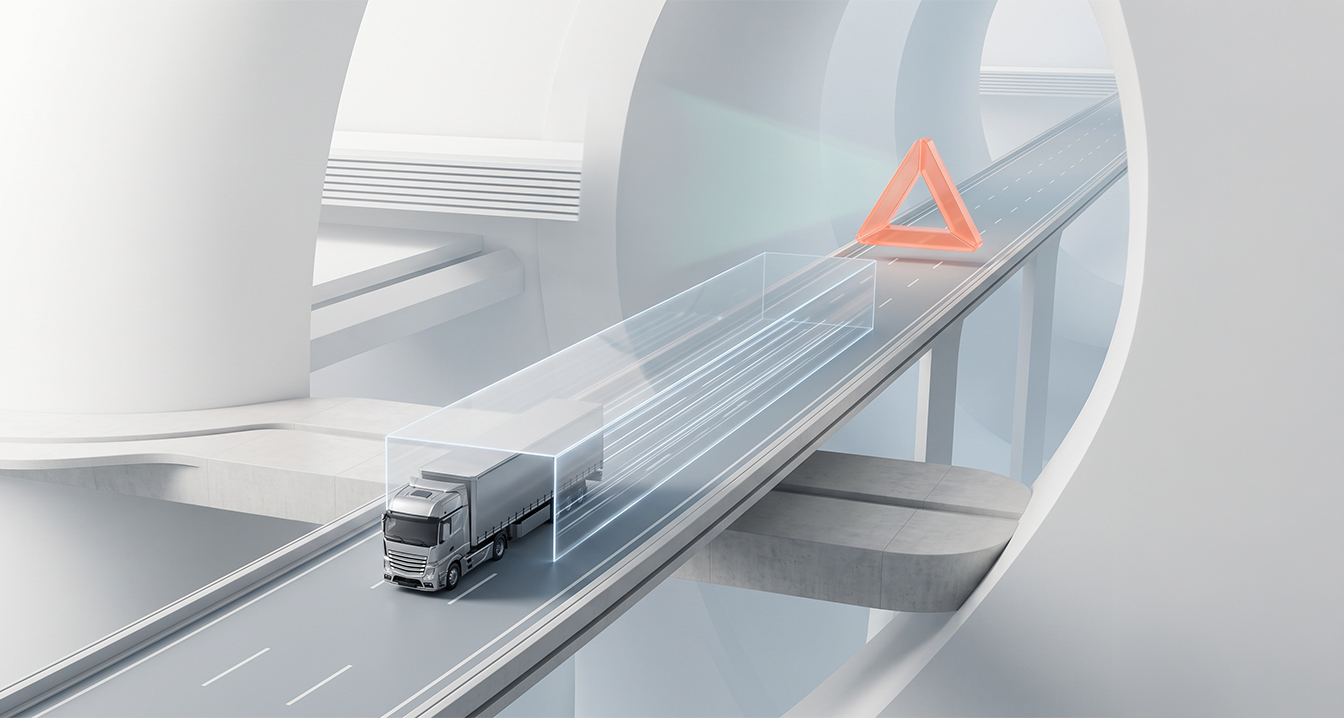
The question might seem strange: does perception distance differ for trucks compared to small cars? The answer is yes. Road engineering specialists point out that design sight distance standards for large trucks use a perception and reaction time of 2.5 seconds, which is higher than the value used for small cars.
Furthermore, an empty tractor-trailer traveling at 88.5 km/h may need about 91.4 meters to stop, while a fully loaded truck requires 137.2 to 160 meters.
Consequently, drivers of small cars must always remember that they share the road with vehicles that require significantly more perception and stopping space.
How do driver assistance systems interact with perception distance?
Recent research indicates that driver assistance systems still rely on general standards that do not account for individual differences between drivers. This means that the warnings and interventions they issue may not align with your specific perception speed.
Experts believe that customizing these systems to match each driver's individual response time is the best way to maximize accident prevention. It has been observed that more cautious drivers maintain a longer time gap between themselves and the vehicle in front, ranging from approximately one to two and a half seconds, which gives them a greater opportunity for early perception and proactive response before a hazard escalates.
Until these technologies reach a level of full customization, the driver remains primarily responsible for estimating their own perception distance and for not relying entirely on technology in critical situations. It is merely an assistance tool, but the final judgment always rests with the driver's own eyes and mind.
Practical strategies to reduce perception distance and avoid accidents
Now, having discussed what perception distance is and the factors that influence it, the most important question remains: How do we turn this knowledge into concrete actions on the road?
Below are the most prominent practical strategies to help you reduce this distance, enhance your ability to respond quickly, and effectively minimize the risk of accidents:
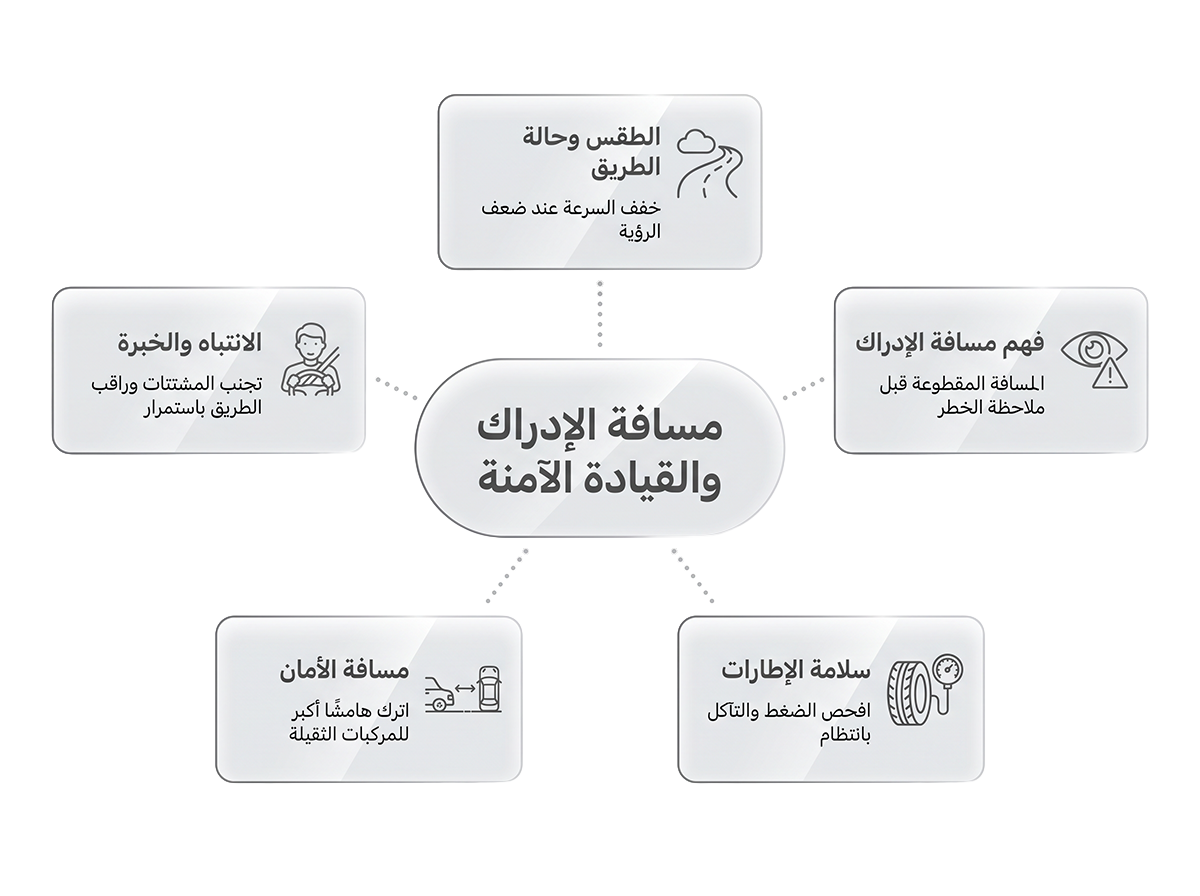
- Maintain a sufficient safety distance
The golden rule is to leave a time gap of at least 4 seconds between you and the vehicle in front under normal conditions, doubling it in poor conditions, to give yourself enough time for perception, reaction, and safe braking.
- Check tires regularly
Since tires are the only point of contact between the vehicle and the road, their condition determines the effectiveness of your response. Therefore, you should check tread depth regularly, and ensuretire pressure according to the manufacturer's recommendations, while replacing worn tires before they reach the legal minimum limit.
- Avoid distractions
Keep your phone out of reach, minimize complex conversations while driving, and focus your full attention on the road. Every second of distraction means additional meters of unwanted perception distance.
- Adapt to conditions
Slow down at night or during rain or fog, and increase your safety distance, as perception distance increases in these conditions, requiring more space to stop.
Ultimately, perception distance remains the most important and sensitive element in the chain of traffic safety. It is the distance that a driver usually does not see, yet it determines their fate in critical situations. By understanding this distance, keeping your vehicle's tires in excellent condition, and leaving sufficient safety gaps, you can turn perception distance from a risk factor into a protective factor against accidents.
Good tires mean shorter stopping distances, effective perception distance, and safer journeys on the Kingdom's roads. Don't gamble on worn-out tires when you're in a moment that offers no second chances.
Are your tires ready for sudden road hazards? When an obstacle appears or the car in front stops abruptly, your perception distance becomes a critical moment. The best solution is to choose reliable tires that provide stability and safety on the Kingdom's roads, with a strong grip and shorter stopping distance. Don't gamble on worn-out tires; check your tires today or order the right replacement for your vehicle.